Responsible Puppy Rearing on Ethical Sled Dog Farms
The foundation for a healthy, resilient, and well-socialized sled dog is laid long before its first time running in harness. It begins with carefully planned breeding and continues through raising, socialization, and physical development, all the way to the gradual integration into a team.
The foundation for a healthy, resilient, and well-socialized sled dog is laid long before its first time running in harness. It begins with carefully planned breeding and continues through raising, socialization, and physical development, all the way to the gradual integration into a team.
On an ethically operated sled dog farm, puppy rearing is not primarily determined by the farm’s future needs. Instead, the health of the parent dogs, the available capacity for care, and the long-term responsibility for each individual dog are the decisive factors — regardless of whether the dog will later be suitable for commercial operations.
Selecting Suitable Parent Dogs
Responsible breeding begins with the question of whether a litter is professionally justified and sustainable in the long term. A breeding should neither take place randomly nor be based solely on athletic performance, speed, or physical appearance.
Several factors need to be considered when selecting the parent dogs:
overall health
potential hereditary diseases
functional and resilient body structure
gait and musculoskeletal health
temperament and mental stability
social behavior towards humans and other dogs
work motivation and ability to recover
pedigree and genetic diversity
A high willingness to work alone does not automatically make a dog suitable for breeding. For dogs that will later work in commercial tours, emotional stability, social compatibility, willingness to cooperate, and the ability to recover are also highly important.
Responsible farms know the lineage of their dogs and avoid pairings that could increase health or behavioral problems. Depending on the breed, bloodline, and regional recommendations, appropriate health screenings should be carried out and documented in a transparent and traceable manner.
Operational planning is equally important. Before breeding, the farm must ensure that sufficient space, time, staff, and financial resources are available to provide all puppies with appropriate care throughout their lives. This also applies to dogs that later prove unsuitable for breeding or commercial sled dog work.
Caring for the Mother Dog
During pregnancy, the mother dog needs an appropriate diet, suitable exercise, a calm environment, and veterinary care when necessary. Her physical condition should be monitored regularly.
A clean, protected, and low-stress area is essential for giving birth and for the first weeks of the puppies’ lives. The mother must always be able to retreat and should not be continuously exposed to visitors, other dogs, or the everyday operations of the farm.
During the first weeks, the mother dog does more than simply care for her puppies. She is also a central social reference point, teaching them their first boundaries and behavioral cues. Separating the mother and litter too early or unnecessarily can interfere with this development.
The mother’s health must also be carefully monitored after giving birth. She needs sufficient energy, water, and rest, as well as a diet adapted to her increased nutritional requirements. After raising a litter, she needs adequate time to recover. Frequent, closely spaced litters are not compatible with responsible breeding.
Early Development and Controlled Socialization
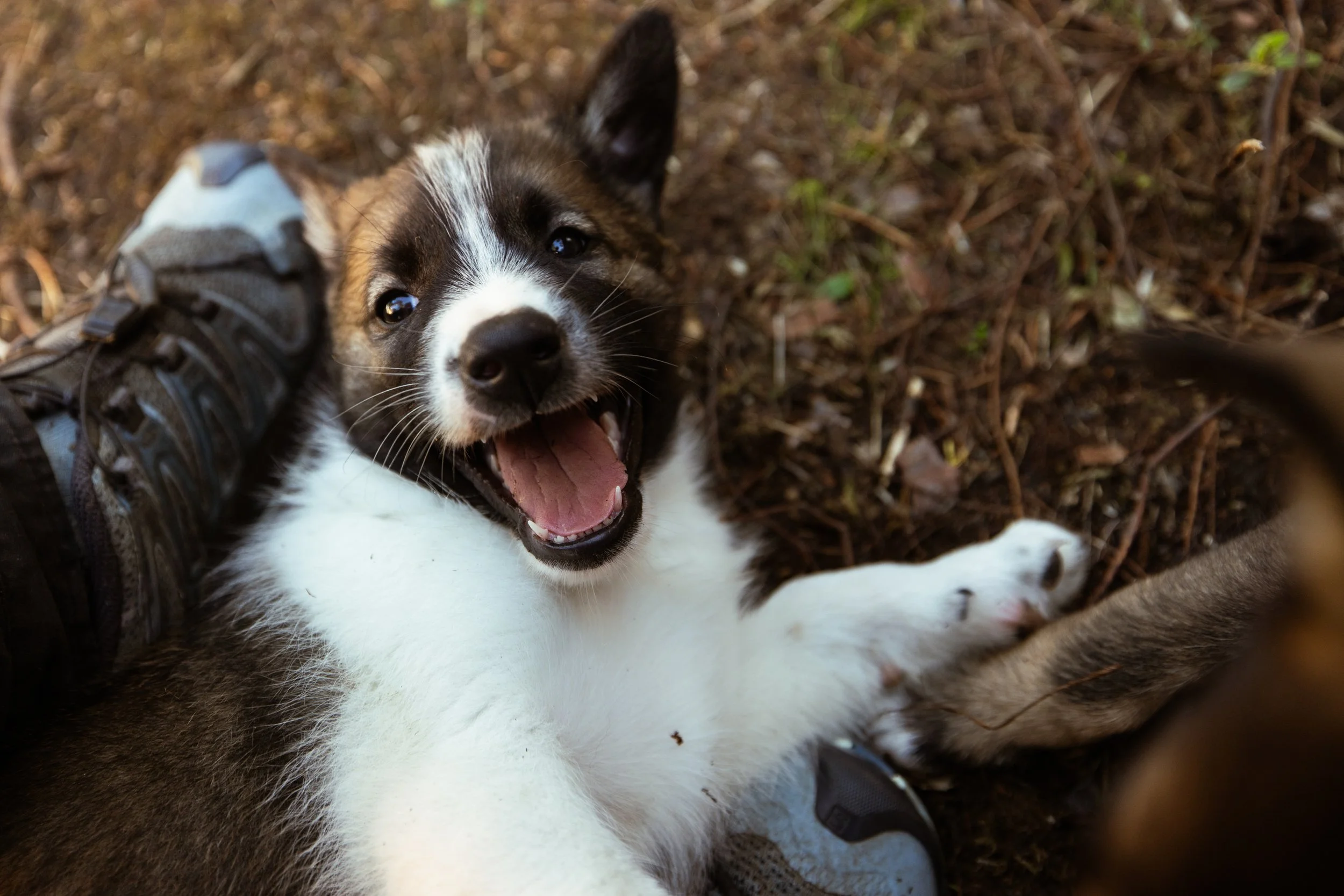
The first weeks and months of a puppy’s life have a significant influence on its future resilience and behavioral development. Proper socialization should prepare puppies for different environmental conditions without overwhelming them.
This includes positive and controlled experiences with:
different people
socially appropriate adult dogs
different surfaces and environments
everyday sounds and movement stimuli
collars, harnesses, and transportation
grooming procedures and physical examinations
short periods indoors and in vehicles
new situations outside the familiar farm environment
Socialization does not mean exposing a puppy to the maximum possible number of stimuli in the shortest amount of time. What matters is the quality of the experiences, the individual pace of the dog, and the opportunity to retreat.
If a puppy shows clear signs of uncertainty or stress, the situation should be adapted or ended. Forced exposure can reinforce existing fears and undermine the dog’s trust in people. The goal is a dog that can approach new situations with confidence and curiosity without becoming chronically overwhelmed.
Puppies Are Not a Tourist Attraction
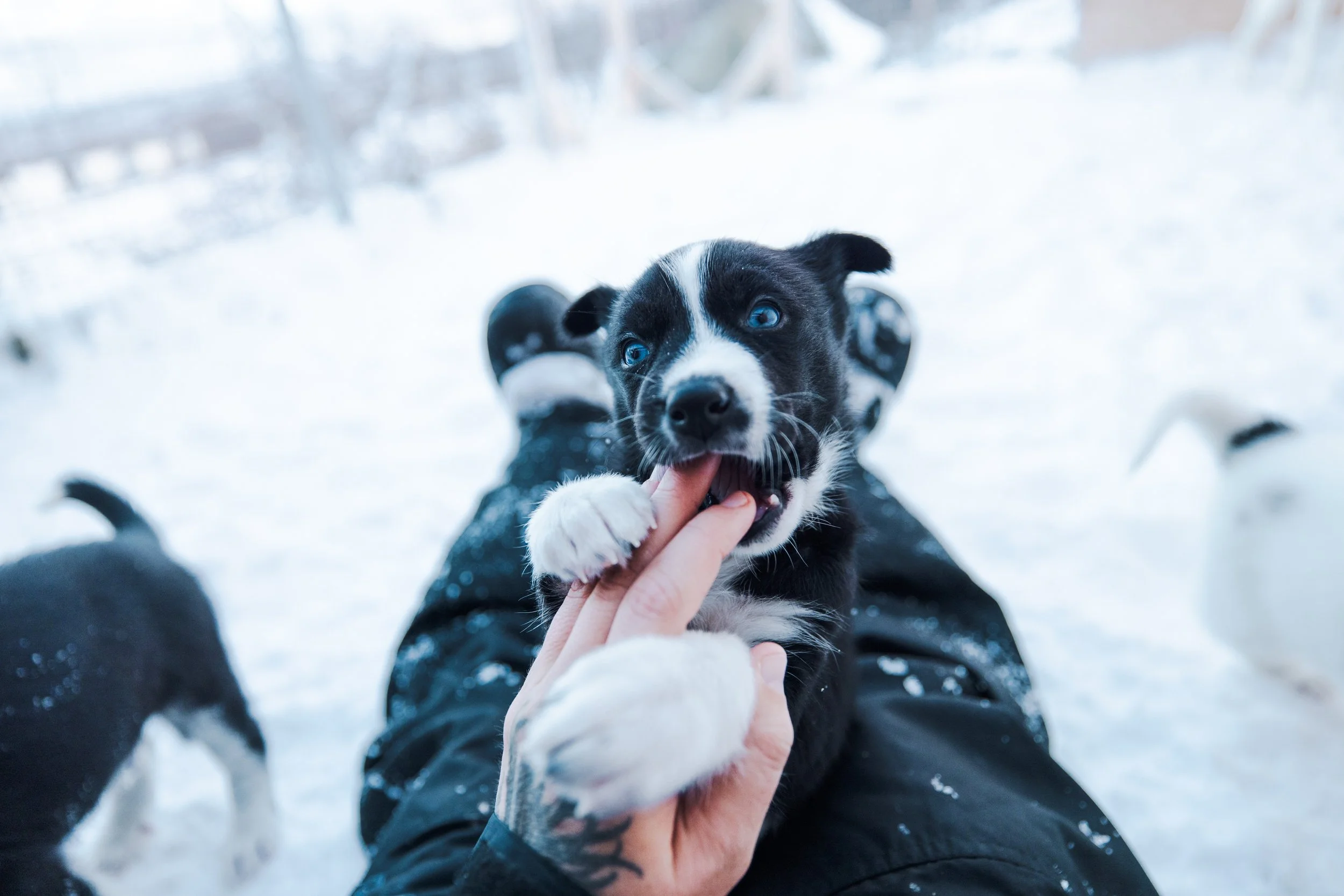
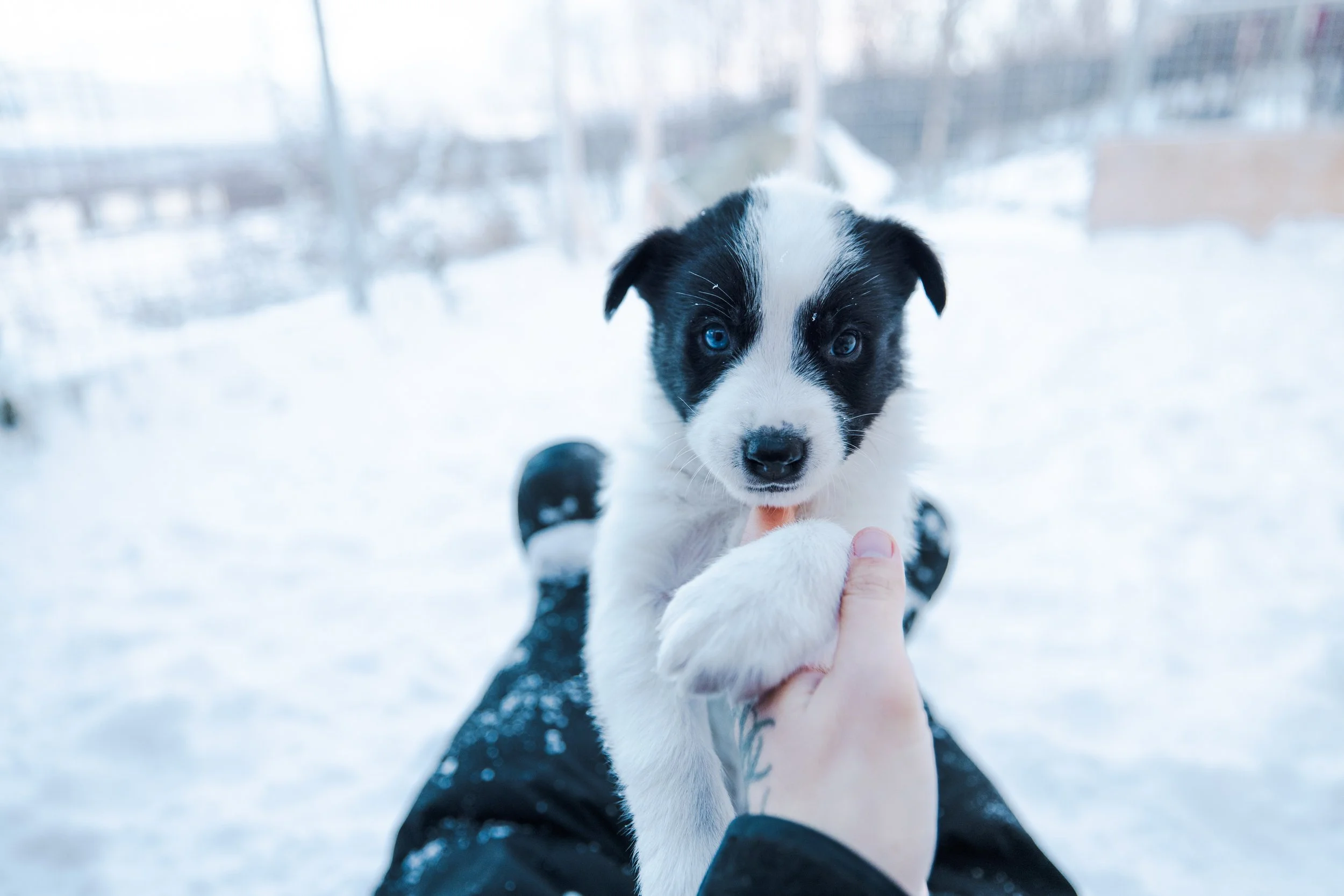
Contact with people is an important part of raising a puppy. However, puppies should never be treated as an attraction that is constantly available to guests.
Uncontrolled handling, constantly picking puppies up, excessive touching, repeatedly waking them, or exposing them to changing groups of visitors every day can cause considerable stress. During the first weeks of life in particular, the puppies’ need for rest and the well-being of the mother dog must take priority.
If visitors are allowed to interact with the puppies, contact should be limited, supervised, and adapted to the animals’ stage of development. An ethically operated farm does not make access to a litter dependent on guest expectations.
Growing Up Within a Stable Dog Group
Contact with other dogs is essential for social development. Through interactions with their mother, littermates, and suitable adult dogs, puppies learn to recognize body language, respect boundaries, and adapt their own behavior.
Adult dogs can play an important role in teaching puppies appropriate social behavior. However, these interactions must be carefully supervised. Not every dog is equally patient or socially competent when interacting with puppies.
A responsible farm monitors the group dynamics and intervenes if individual puppies are repeatedly harassed, excluded, or overwhelmed. The composition of dog groups should not be based solely on organizational requirements, but should also take into account temperament, age, social behavior, and individual relationships.
Health, Nutrition, and Physical Development
Puppies require a diet appropriate for their age, growth stage, and activity level. Both inadequate nutrition and excessively rapid growth can negatively affect their development.
Professional puppy rearing should also include:
regular weight checks
veterinary examinations
vaccinations according to veterinary and regional recommendations
appropriate parasite management
monitoring of gait, movement, and physical development
careful documentation of illnesses and treatments
sufficient sleep and recovery time
Puppies and young dogs must not be subjected to the same physical demands as fully grown working dogs. Their bones, joints, tendons, and muscles are still developing. Excessive distances, heavy pulling loads, or frequent high-intensity exercise increase the risk of injuries and long-term damage.
During this stage, free play and self-directed movement are more important than systematic endurance training.
Getting Used to Harnesses and Work Routines
Preparation for future work should initially take place without physical strain. Young dogs can be introduced through play to collars, harnesses, leashes, transportation, and the routines involved in preparing a team.
The first time a dog wears a pulling harness is not yet a work session. Initially, the dog should learn that the harness is neither uncomfortable nor threatening. Only later should very short running sessions with experienced, socially confident dogs be introduced.
Older team dogs provide young dogs with guidance and help them learn routines that can only be learned to a limited extent through human instruction alone. The dog’s position in the team, pace, group composition, and duration of each session must be carefully selected.
The workload should be increased gradually and adapted to the individual dog’s physical and mental stage of development. Age alone is not a sufficient criterion.
Individual Assessment Instead of a Standardized Training Plan
Not all young dogs develop at the same pace. Some show confidence in a group at an early age, while others need more time. Some dogs work well in larger teams, while others perform better in smaller groups.
The following factors should be considered when assessing a young dog:
voluntary motivation and willingness to run
confidence while wearing a harness
behavior within the team
response to new situations
ability to concentrate
movement patterns under light physical load
physical and mental recovery after training
signs of stress, pain, or being overwhelmed
A responsible training plan is adapted to the dog – not the dog to a predetermined operational schedule.
Physical resistance, avoidance behavior, persistent insecurity, or clear exhaustion are not signs of a lack of discipline. They are indications that the training, workload, team composition, or the dog’s health needs to be reassessed.
Training Without Force or Intimidation
Professional training is based on clear routines, positive associations, repetition, and reliable communication. Physical punishment, intimidation, or forcibly demanding performance are neither professionally necessary nor ethically justifiable.
Sled dogs may be excited while being harnessed and prepared for a run. However, vocalization and a strong urge to move are not automatically signs of well-being. What matters is the dog’s overall behavior: its body language, willingness to cooperate, behavior during exercise, and ability to relax again afterward.
Good trainers can distinguish between eager anticipation, high arousal, insecurity, and stress. They know their individual dogs and are able to recognize changes in behavior or movement at an early stage.
Integration into the Team
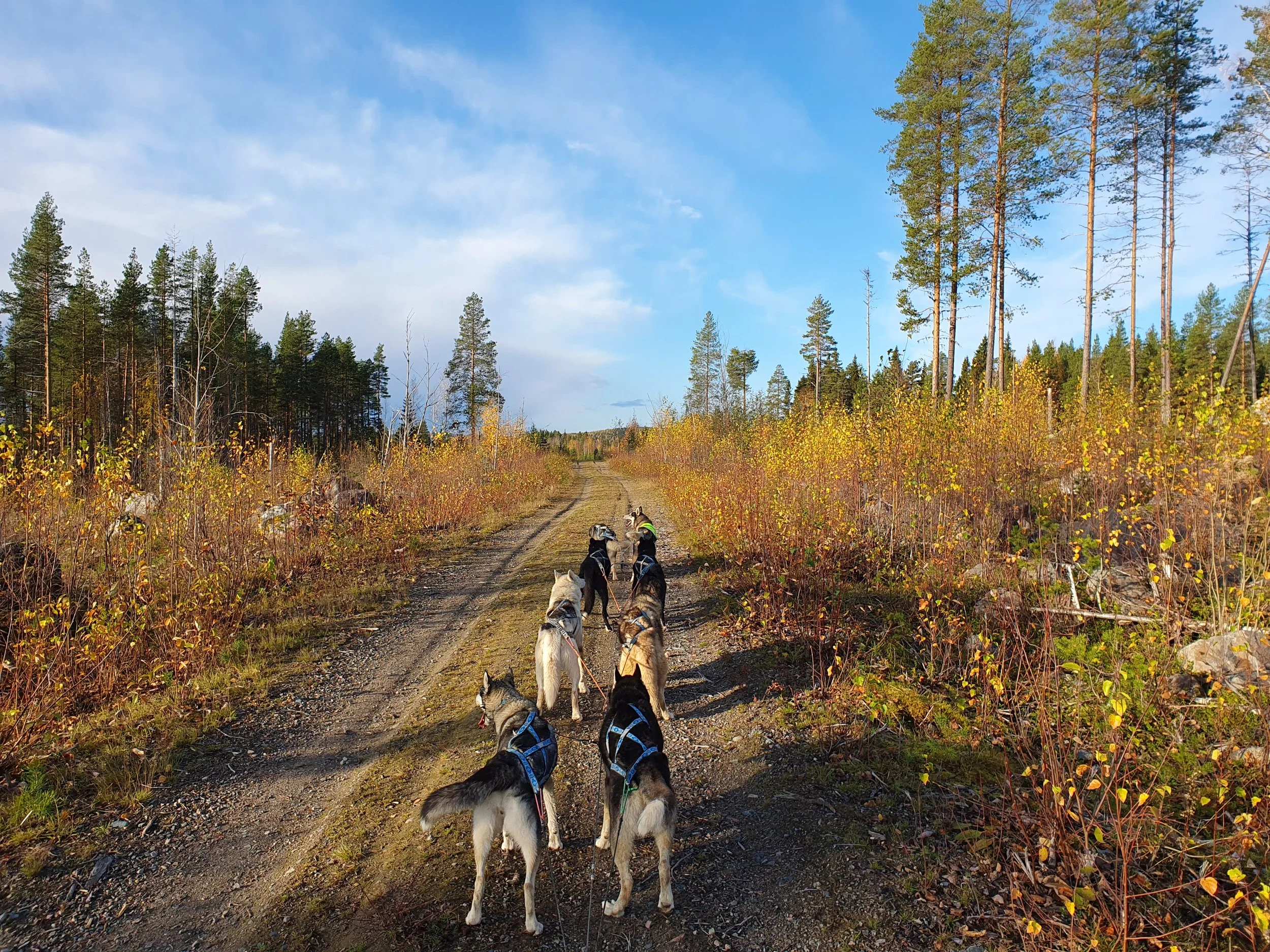
A young dog should be integrated into a team gradually. Initially, it should run short, manageable distances alongside an experienced and reliable partner. This partner should maintain a steady pace and provide the young dog with confidence and guidance.
The position a dog eventually takes in the team depends on its individual abilities. Not every dog is suited to lead, and not every physically strong dog performs best in a position involving particularly high pulling demands. A dog’s role within the team should be appropriate for its build, temperament, ability to concentrate, and social behavior.
Even after successful integration, the dog’s development should continue to be monitored. Team dynamics can change, and a dog that initially performs well in one position may later be better suited to a different role or team composition.
Not Every Puppy Will Become a Tour Dog
Even with careful breeding and responsible rearing, not every dog will be suited to working in a commercial tour operation. Reasons may include health limitations, a lack of motivation to run, insecurity around guests, limited resilience, or difficulties within larger teams.
An ethical farm takes this possibility into account before breeding. A dog’s value must never depend on its economic usefulness.
For dogs that cannot or can only partially work in a team, individual solutions need to be found. These may include shorter recreational runs, other forms of activity, remaining permanently at the farm, or carefully assessed placement in a suitable home.
Rehoming should never be undertaken simply to reduce the number of dogs. The decisive factor should be whether it is in the long-term best interest of the individual dog.
How Guests Can Recognize Responsible Puppy Rearing
Visitors cannot inspect every aspect of a breeding and puppy-rearing program. However, transparent operators should be able to clearly explain how they raise and train their puppies and young dogs.
Useful questions include:
What criteria are used to select the parent dogs?
Which health screenings are carried out?
How often does a female have a litter?
Where and under what conditions are the puppies raised?
How are the puppies socialized?
Do the mother and puppies have protected areas where they can retreat?
At what stage of development does training begin?
How are young dogs introduced to harnesses and running in a team?
What happens to dogs that are not suitable for commercial tours?
Does the farm remain responsible for its dogs throughout their lives, including in old age?
A professional operator should be able to answer these questions clearly and specifically, without evasive responses.
Responsibility Throughout the Dog’s Entire Life
Ethical puppy rearing does not end when a dog leaves the litter, begins its first training, or successfully joins a working team. It is part of a responsibility that extends throughout the dog’s entire life.
Carefully selected parent dogs, a protected early development, controlled socialization, appropriate health care, and individually tailored training create the foundation for physically and mentally stable sled dogs.
The goal should not be to make a young dog ready for work as quickly as possible. The goal is to give the dog the opportunity to develop in a way that respects its health, character, and individual abilities – even if its future ultimately differs from the farm’s original expectations.