Why Dogsledding Tourism Must Be Ethical
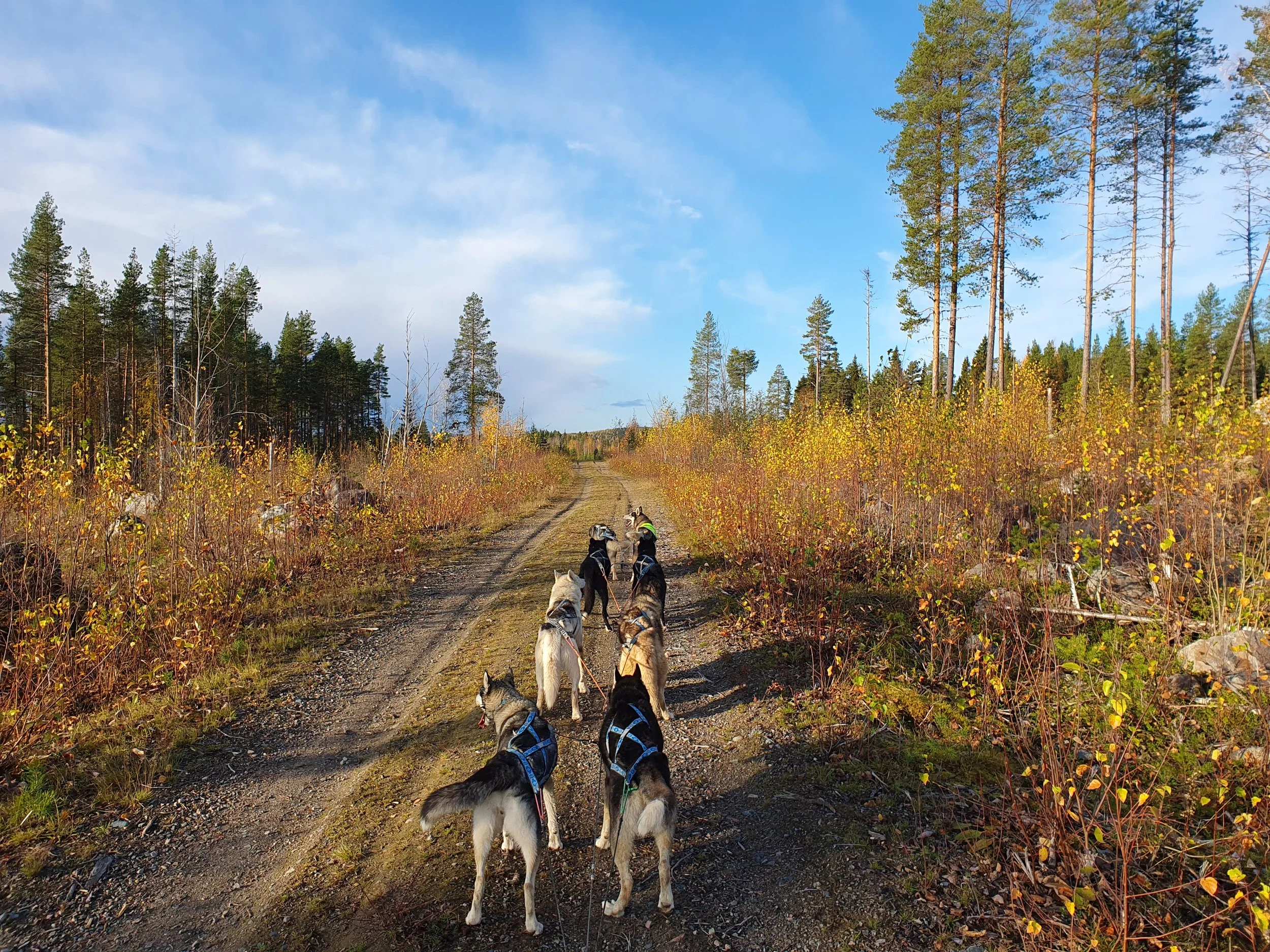
An ethical dogsledding operation does not view dogs as interchangeable assets, but as individuals with unique physical and psychological characteristics.
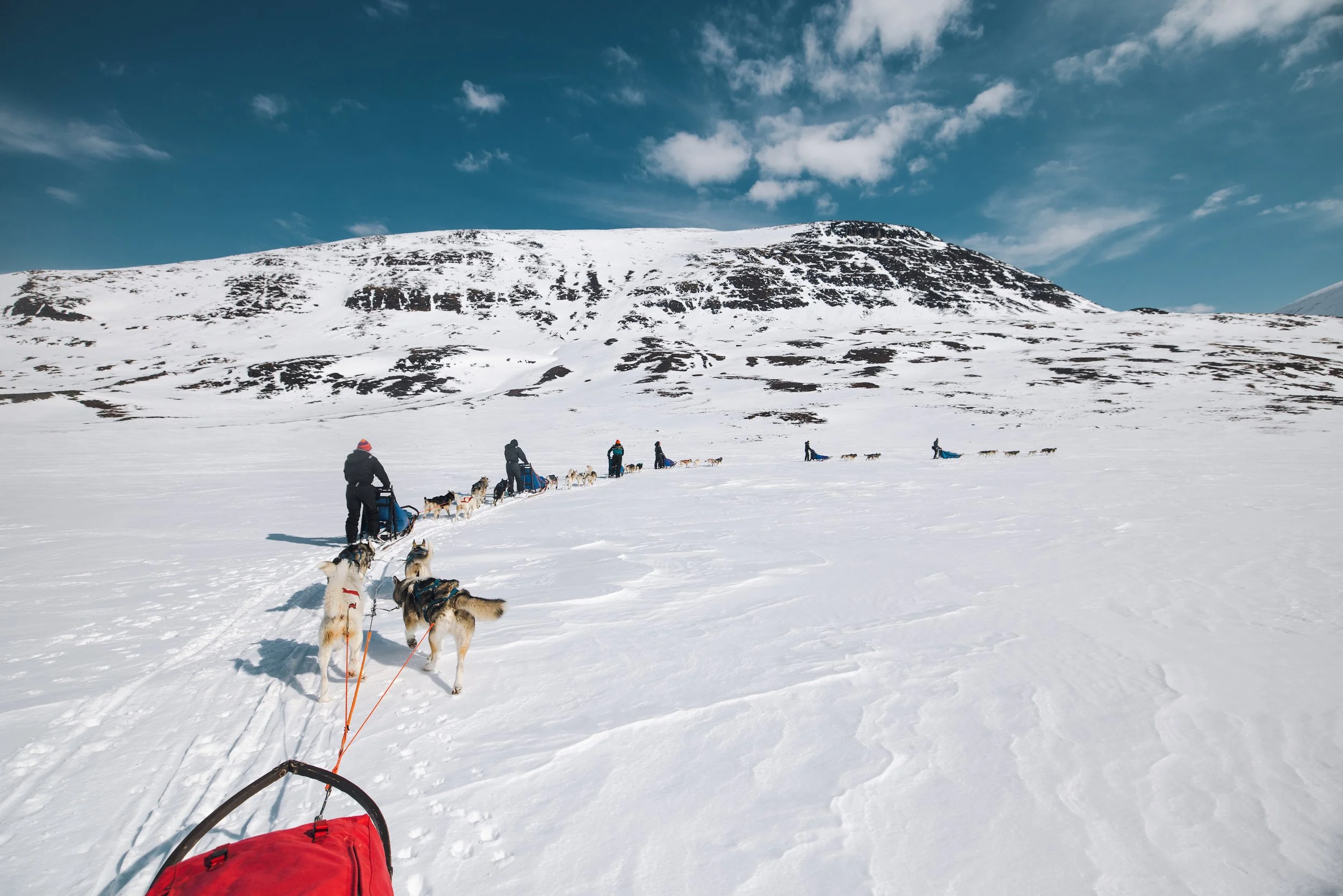
For many visitors to Lapland, a husky tour is one of the most memorable wilderness experiences imaginable — and increasingly, a true bucket-list adventure. Traveling through snow-covered forests and across frozen lakes behind a team of dogs offers a rare opportunity to experience the Arctic landscape in a way that has changed little for centuries. It evokes a sense of freedom, adventure, and a profound connection with nature.
Unlike other winter activities in the North, such as snowmobiling or snowshoeing, dogsledding is an experience that involves living animals.
A snowmobile is unaffected by how it is treated; a dog is not.
Guests should understand that their booking decisions directly influence the lives of the animals that make these experiences possible. The true value of a husky tour lies not in the sled or the equipment, but in the partnership between humans and dogs. Unlike a kayak, a bicycle, or a snowmobile, dogs are sentient beings whose welfare must remain an integral part of the experience.
Behind every tour are the dogs that make it possible. This raises an important question: under what conditions can dogsledding tourism be considered ethically responsible?
In recent years, the term ethical has become increasingly common throughout the tourism industry. Yet it is often used without clearly defining the standards, values, or practices it represents. Ethics is not a marketing concept; it is a guiding principle.
Any operator claiming to offer ethical dogsledding tourism should be able to clearly explain how the welfare of its dogs is protected and which values genuinely guide decision-making in daily operations.
The Dogs Must Come First
Sled dogs are highly capable working animals that have been selectively bred for pulling sleds. They are working dogs by nature and, when properly cared for and given suitable tasks, often display remarkable enthusiasm for their work. However, their eagerness to run should never be used as a justification for overlooking their needs.
An ethical dogsledding operation does not view dogs as interchangeable assets, but as individuals with unique physical and psychological characteristics. Not every dog is suited to every task, nor should every dog be expected to perform at the same level. Responsible kennels understand this and manage their teams accordingly.
Animal Welfare Must Take Priority Over Commercial Interests
Tourism is a business, and during the relatively short winter season operators often face significant economic pressure to maximize the number of tours they run. Ethical dogsledding tourism, however, requires that the welfare of the dogs always takes precedence over commercial considerations.
Tours must be adapted, shortened, or cancelled when weather conditions, snow quality, trail safety, or the health of individual dogs make it necessary. Responsible operators make decisions based on animal welfare — even when doing so results in financial losses.
Good Care Means More Than Providing Food
The well-being of sled dogs depends on far more than simply meeting their basic nutritional needs. Ethical husbandry includes adequate space, protection from the elements, social interaction, mental stimulation, high-quality nutrition, and appropriate veterinary care.
Equally important is regular observation and individual attention. Injuries, illnesses, and signs of fatigue or overexertion must be identified and addressed at an early stage. Responsible operators implement clear standards for health monitoring and workload management to ensure the long-term welfare of every dog.
Transparency Builds Trust
Most guests only see the dogs during their tour and have limited opportunity to assess the animals' day-to-day living conditions. Transparency is therefore a fundamental component of ethical dogsledding tourism.
Operators should be open about how their dogs are housed, how much they work, what rest periods they receive, and how health-related decisions are made. Guests have a legitimate interest in knowing that their experience is not being provided at the expense of animal welfare.
Responsibility Towards the Entire Industry
Every booking decision sends a signal to the market..
When guests actively support operators that maintain high standards of animal welfare, they create an incentive for the entire industry to improve. Conversely, inadequate practices are more likely to persist when they go unquestioned or are accepted as "industry standard."
Ethical dogsledding tourism is therefore not merely a matter of individual business practices; it is also a contribution to a more sustainable, responsible, and credible tourism industry.
Conclusion
Dogsledding can be a unique and deeply rewarding wilderness experience. However, it is only sustainable and ethically justifiable in the long term when the welfare of the dogs consistently comes first. Respect for the animals, transparent operational practices, and a willingness to place animal welfare above short-term commercial interests form the foundation of a dogsledding industry that serves both guests and dogs alike.