What Physical Requirements Should You Meet for a Dogsledding Tour?
The most rewarding experiences are usually found where challenge, safety and enjoyment exist in balance.
Dogsledding is one of the most remarkable ways to experience the northern wilderness. At the same time, many guests underestimate the physical and mental demands involved.
While the dogs provide the power, that does not mean dogsledding is a passive activity. Depending on the type of tour, factors such as cold temperatures, prolonged exposure to the elements, balance, mobility and endurance can play a far greater role than many people expect.
Many first-time participants simply do not know what to expect or what level of physical condition may be required. The demands can vary considerably between a two-hour ride on prepared trails and a multi-day expedition across the Arctic fjäll.
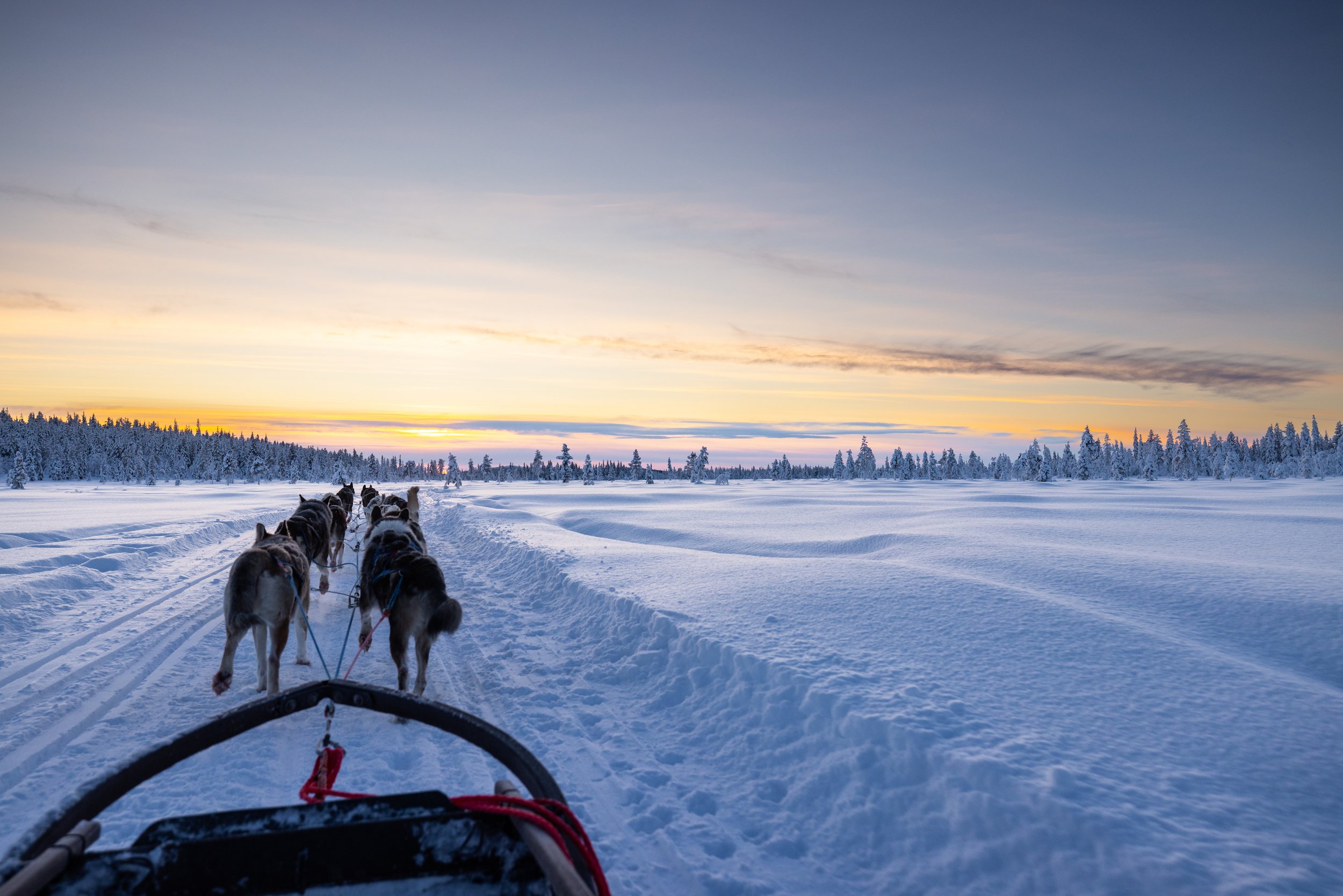
Sit-Only Tours
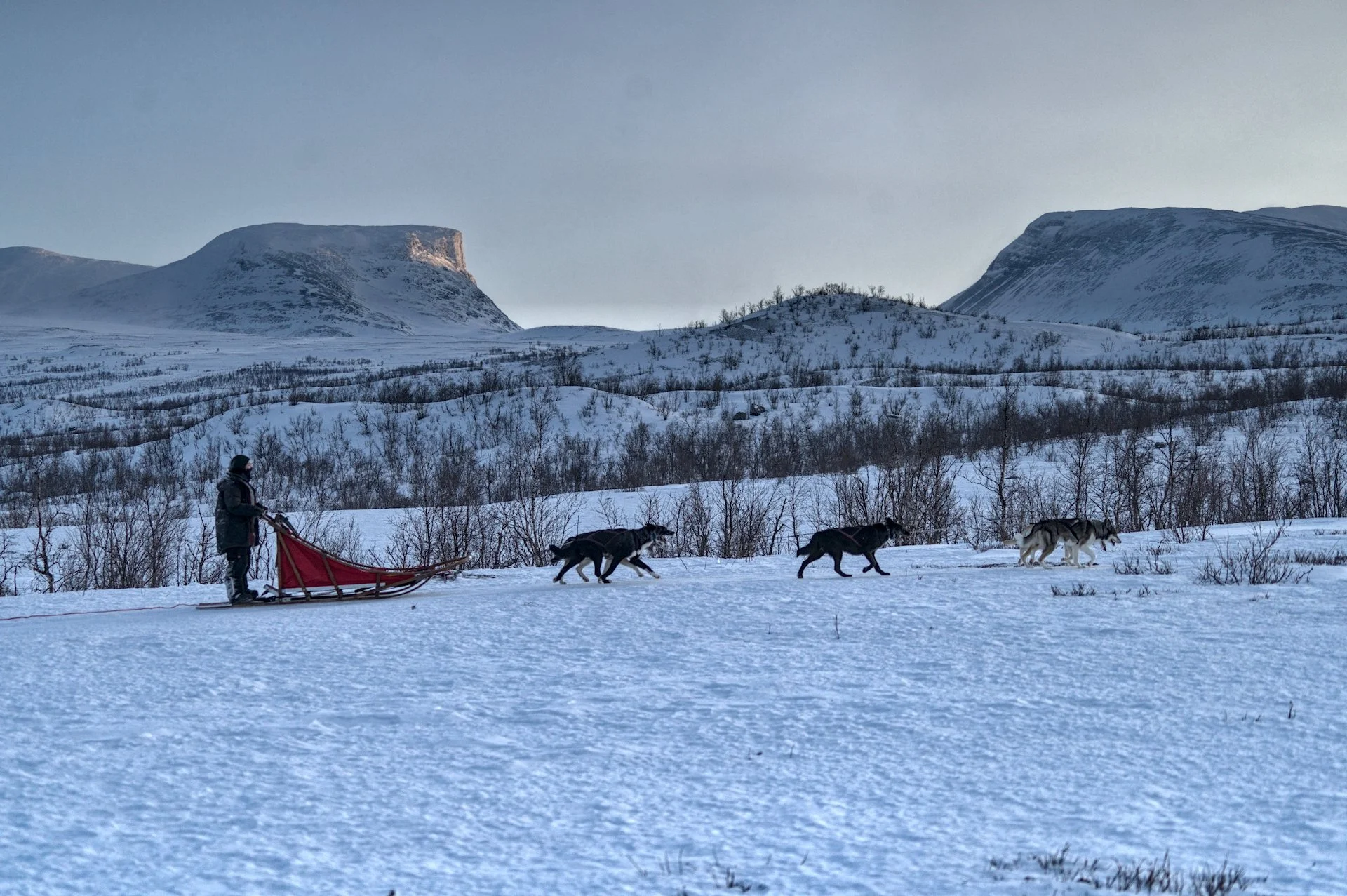
Sit-only tours are short rides in a sled driven by a professional guide. Guests remain seated throughout the experience. Depending on the operator, tour lengths may range from a few hundred metres to approximately 10 kilometres.
Typical Duration: 1–2 hours, although very short introductory rides may last only a few minutes.
Who Are These Tours Suitable For? Almost all healthy individuals.
These tours are generally closer to a winter nature experience than a sporting activity. Nevertheless, guests should be able to:
Get in and out of the sled independently. Many sleds feature narrow benches or low seating positions inside the cargo compartment. Guests therefore need sufficient mobility to step over a low side rail and remain seated comfortably, either with bent or extended legs, throughout the ride.
For people with significant knee or hip problems, or for older guests with reduced mobility, this may be difficult or, in some cases, impossible.
Walk short distances on snow and ice.
Spend extended periods outdoors in temperatures well below freezing. Most tour operators only cancel tours when temperatures drop to around minus 30 degrees.
The greatest challenge is usually not physical exertion but exposure to the cold. Anyone who is particularly sensitive to cold temperatures or who has relevant medical conditions should discuss this with the tour operator before booking.
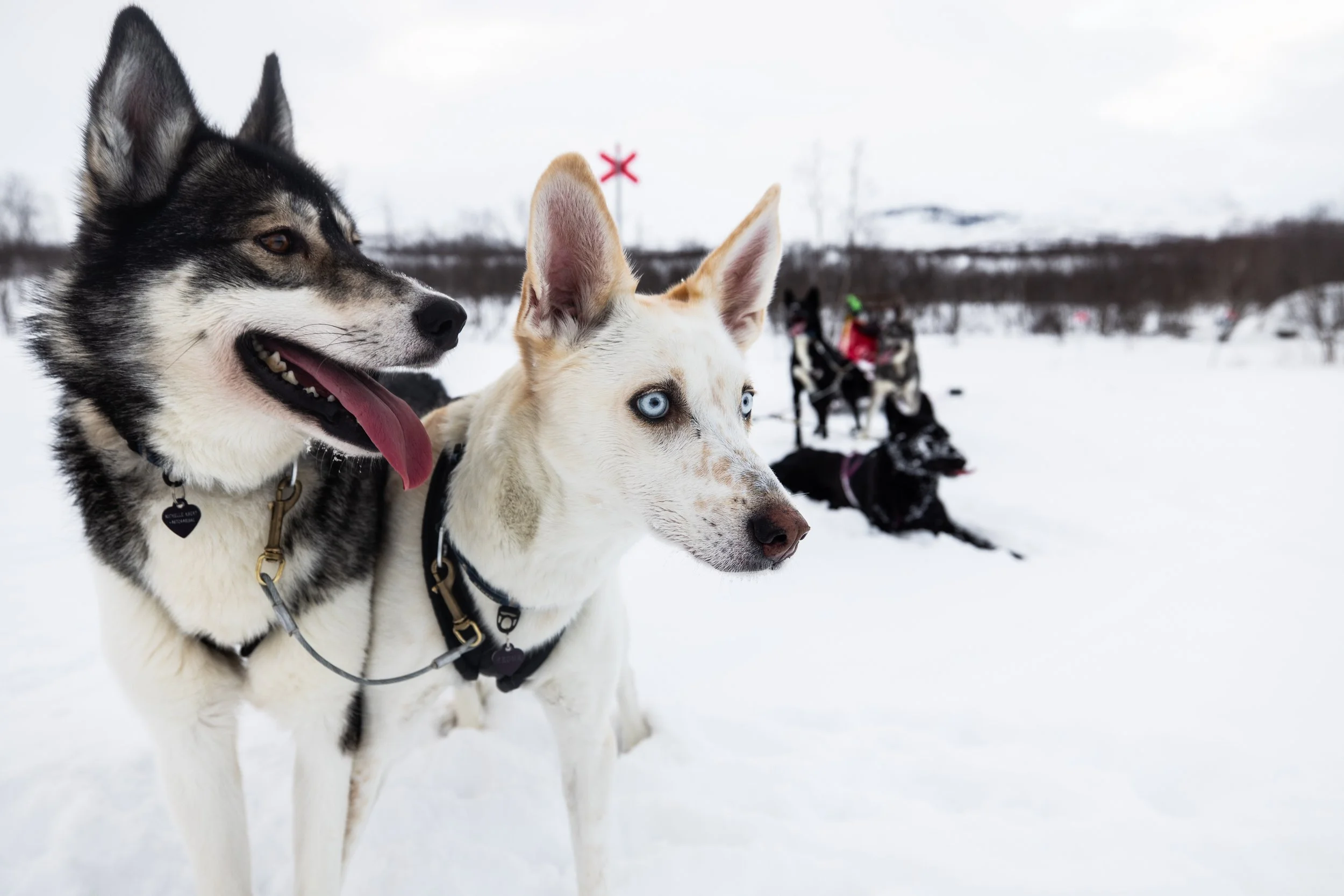
Short Self-Drive Tours
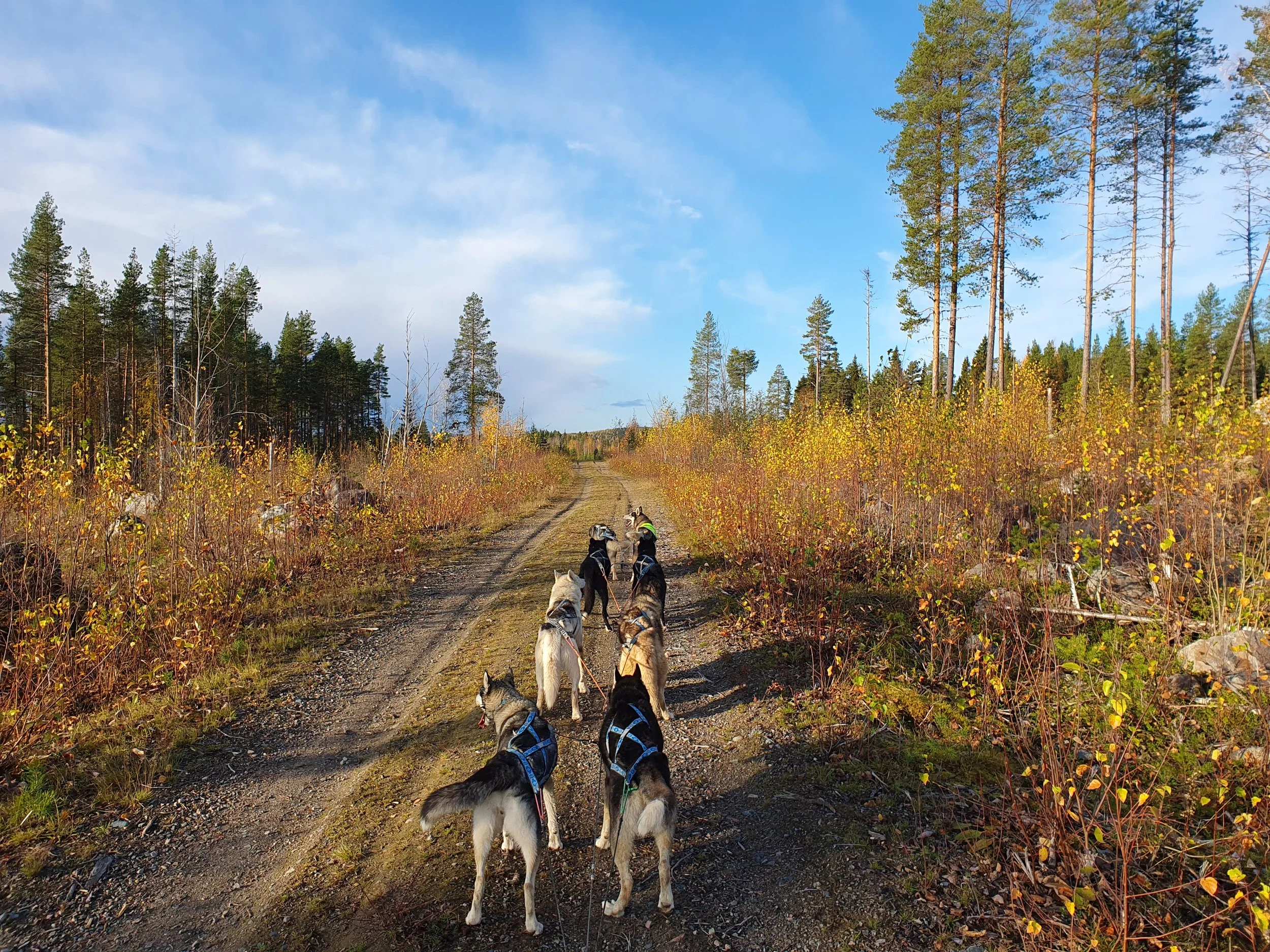
On self-drive tours, guests operate their own dog team, typically consisting of four to six dogs.
Depending on the tour format, each participant may drive an individual sled with four dogs, or two guests may share a sled pulled by five or six dogs. Tour distances generally range from 4 to 20 kilometres.
Typical Duration: 1–4 hours
Who Are These Tours Suitable For? People with a reasonable level of general fitness.
Many guests assume that driving a dogsled is similar to riding a bicycle. In reality, it requires considerably more active participation.
On uphill sections, drivers frequently assist their dogs by pushing the sled. In corners, the sled must be actively balanced. In difficult snow conditions, it may be necessary to push or manoeuvre the sled over short sections.
Helpful qualities include
Good balance
Normal mobility
The ability to walk several hundred metres on snow
A willingness to assist the dogs when required
The ability for passengers to hold on securely to the sled
Exceptional athletic ability is not required. However, guests who become heavily out of breath after climbing a flight of stairs, or who suffer from significant knee, hip or back problems, should carefully consider whether this type of tour is suitable.
Some operators allow less active participants to ride in the guide's sled or share a sled with another traveller. Certain tours also use tandem sleds, where one guest drives while the other rides, with roles changing halfway through the journey.
It is worth noting that carrying an additional passenger increases the overall weight of the sled, making it more likely that guests will need to assist the dogs on uphill sections.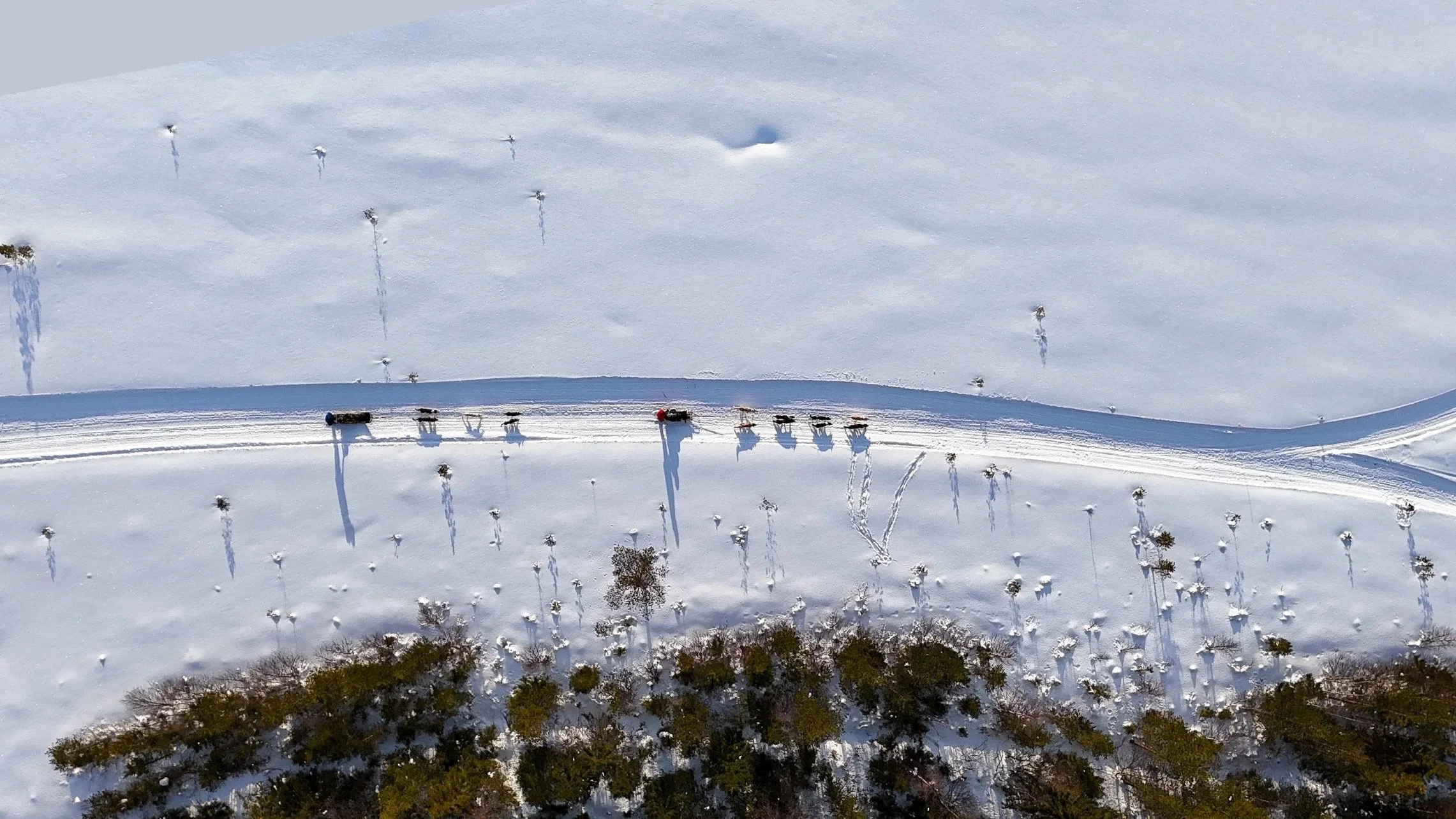
Multi-Day Cabin Tours (Forest & Tundra)
Typical Duration: 3–6 days
Typical Distance: 80–250 kilometres
Who Are These Tours Suitable For? Active individuals with a good level of general fitness.
Multi-day hut-to-hut journeys represent a significant step up from shorter dogsledding experiences. On these tours, guests typically drive their own sleds, usually with a team of four to six dogs. While participants spend much of the day standing on the runners of the sled, the primary challenge comes not from intense physical exertion but from sustaining that effort over several consecutive days.
Spending multiple hours on a sled each day involves:
Repeatedly getting on and off the sled
Assisting the dogs on uphill sections by pushing the sled
Helping care for the dogs, including preparing food, collecting water from lakes or rivers, cleaning dog yards, preparing sleds and harnessing or unharnessing the team
Carrying personal equipment and luggage
Exposure to cold temperatures, wind and constantly changing weather conditions
Spending considerably more time outdoors than most people are accustomed to
Raw strength is far less important than the ability to remain physically and mentally resilient over several days.
People who regularly hike, cycle, ski or participate in other endurance-based activities generally possess a strong foundation for this type of journey.
One of the unique aspects of multi-day dogsledding tours is that the experience extends far beyond the time spent on the trail. Caring for the dogs, preparing equipment and adapting to life in the wilderness become part of the daily routine. For many guests, this involvement is one of the most rewarding aspects of the experience.
Although these tours require more commitment than shorter introductory trips, they remain accessible to most healthy and active individuals who enjoy spending time outdoors and are prepared for several consecutive days in a winter environment.
The emphasis is not on athletic performance, but on endurance, adaptability and a willingness to participate in the daily life of a dogsledding expedition.
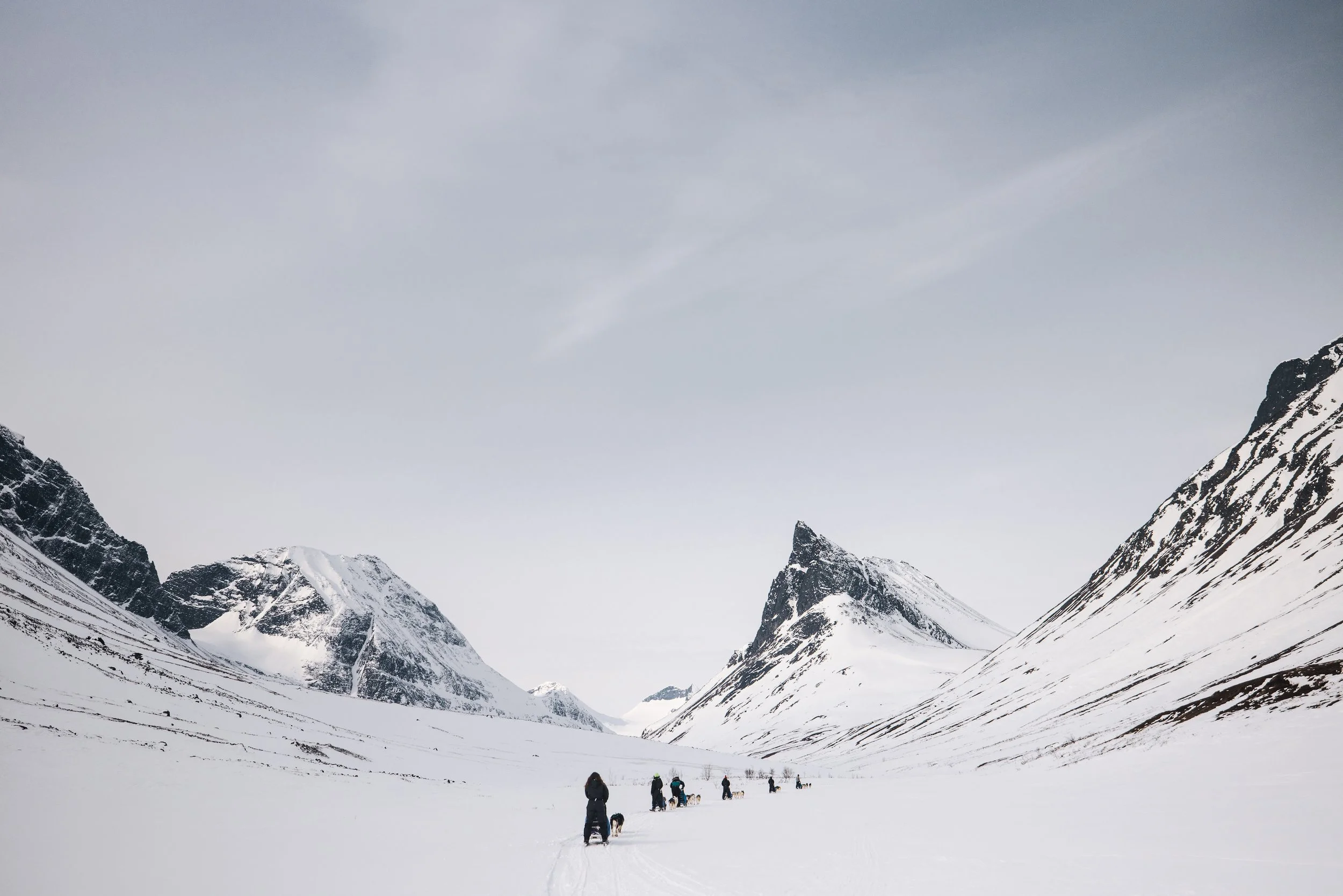
Fjäll Expedition Tours
Typical duration: Most fjäll expeditions last around six days and cover approximately 120 kilometres. Longer journeys of 10 to 21 days are also available. Accommodation may be provided in mountain huts, tents, or a combination of both.
Who Are These Tours Suitable For? Experienced outdoor enthusiasts with a good to very good level of fitness who have ideally already completed a multi-day dogsledding journey.
Expedition-style dogsledding tours are not simply extended day trips. They are self-contained wilderness journeys through remote mountain landscapes where participants become an active part of the expedition rather than simply guests.
On many expeditions, each participant carries everything required for the duration of the journey in their sled, including personal equipment and, in some cases, supplies for the dogs. Other operators may use freight sleds or snowmobiles to transport part of the equipment. Regardless of the logistics, these journeys are designed to take participants far beyond the comfort and predictability of conventional winter travel.
In mountainous terrain, weather, snow conditions and visibility can change dramatically within a matter of hours. Flexibility, resilience and sound judgement become just as important as physical strength.
Participants should be prepared to:
Spend several hours each day actively standing on the sled
Walk alongside the sled and assist the dogs on steep climbs
Control the sled in challenging terrain and varying snow conditions
Remain capable of making sound decisions in storms, extreme cold and poor visibility
Cope physically and mentally with prolonged exposure to the elements over multiple days
On certain sections, pushing the sled or walking alongside the team may amount to several kilometres per day. Deep snow, storm-force winds and temperatures far below freezing can significantly increase the physical demands.
What makes these expeditions particularly challenging is not any single moment of exertion, but the cumulative effect of multiple consecutive days spent outdoors in an environment where weather and terrain dictate the pace of travel.
A strong expedition participant is not necessarily the fastest or strongest person in the group. More often, it is someone who remains positive, adaptable and capable of functioning effectively despite fatigue, cold and changing conditions.
For many guests, fjäll expeditions represent the most authentic form of dogsledding travel: a genuine wilderness journey where the destination is only one part of the experience, and where self-reliance, teamwork and respect for nature become as important as the kilometres covered.
Tent-Based Expeditions vs Cabin-to-Cabin Journeys – What Are the Differences?
To many guests, the two experiences may appear quite similar. In both cases, you spend several days travelling through the mountains by dogsled. In practice, however, cabin-based tours and fully tent-based expeditions are fundamentally different.
The distinction lies less in the number of kilometres covered and more in the degree of independence from infrastructure and comfort.
Cabin Tours: Wilderness with a Place to Recover
On cabin-based journeys, the hut serves as a daily refuge. Even after a demanding day on the trail, participants can look forward to a heated shelter, a dry sleeping area and protection from wind and weather.
For guests, this generally means:
Significantly less equipment carried on the sled
Reduced physical effort when arriving at camp
Better opportunities to dry clothing and sleeping gear
Greater comfort and improved recovery
Fewer consequences when weather conditions deteriorate
The challenge of a cabin tour lies primarily in the daily travel itself rather than in camp life. After several hours on the trail, most participants can focus on resting, socialising and preparing for the next day's journey.
Tent Expeditions: The Wilderness Doesn't End at Camp
On a tent-based expedition, the day does not end when the sleds stop moving. In many ways, it is only just beginning.
After hours spent travelling through the mountains, participants may still need to:
Pitch tents
Compact snow for camp
Prepare sleeping areas
Collect and melt snow for water
Cook meals
Organise equipment
Feed and care for the dogs
All of this takes place in sub-zero temperatures, often in strong winds or falling snow.
While guests on a cabin tour may be relaxing beside a stove after dinner, expedition participants frequently continue working well into the evening.
Weather Takes on a Completely Different Meaning
Poor weather can be uncomfortable on a cabin-based tour. On a tent expedition, it often becomes the defining factor of the experience. Strong winds, deep cold, snowfall and poor visibility affect not only the day's travel but also:
The quality of the campsite
The quality of sleep
Energy consumption
Safety and decision-making
A stormy night in temperatures of –25°C can be more physically demanding than the day's travel itself..
Greater Personal Responsibility
The further one travels from roads, settlements and mountain huts, the more important self-reliance becomes.
Participants on tent expeditions should be prepared to:
Contribute actively to camp life
Take responsibility for their personal equipment
Remain functional despite fatigue and discomfort
Accept several days with very limited comforts
Over time, you become less of a guest and more of a member of the expedition team.
The Psychological Dimension
One of the most underestimated aspects of winter expeditions is the mental challenge. A mountain hut offers warmth, light, shelter and a clear separation from the outside world. A tent offers something very different. Even at night, you remain part of the landscape. You hear the wind directly against the fabric. You feel the cold more intensely. You experience the weather and the wilderness without any real barrier between yourself and the environment.
For many people, this direct connection to nature is precisely what makes a tent expedition so rewarding. Others discover that isolation, simplicity and exposure to the elements are far more demanding than the physical effort itself.
Which Option Is Right for You?
Cabin Tours Are Ideal For People Who:
Want to spend several days travelling through the mountains by dogsled
Wish to experience wilderness and remote landscapes
Appreciate comfort and recovery after a day on the trail
Prefer to focus primarily on driving the sled and caring for the dogs
Tent Expeditions Are Better Suited To People Who:
Already have experience in mountain or wilderness environments
Enjoy simple living and outdoor self-sufficiency
Want to take an active role in all aspects of expedition life
Seek a deeper and more immediate connection with the wilderness
A useful question to ask yourself before choosing either option is:
Would I be comfortable spending six consecutive days outdoors in winter conditions, facing cold temperatures, strong winds and snowfall for several hours each day?
If the answer is an enthusiastic yes, you are likely well suited to the demands of an expedition-style journey.
The Most Important Requirement: Honest Self-Assessment
Regardless of the type of journey you choose, the single most important quality is neither strength nor endurance.
It is the ability to assess your own limits honestly.
Physical fitness and expedition capability are not the same thing. Being able to lift weights in a gym or complete a demanding workout does not automatically prepare someone to spend six consecutive days travelling through a winter wilderness, exposed to cold, wind and limited comfort.
Many of the difficulties that arise on dogsledding tours are not caused by a lack of fitness. More often, they occur because participants overestimate their physical or mental resilience, underestimate the conditions, or fail to disclose relevant medical concerns.
It is not uncommon for guests to discover, sometimes for the first time, where their personal limits truly lie. Fatigue, prolonged exposure to cold, isolation, challenging weather and the cumulative effect of several days outdoors can affect even highly motivated individuals.
A demanding expedition challenges far more than the body. It tests patience, adaptability, decision-making and the ability to remain positive when conditions become difficult.
For this reason, reputable operators will always discuss the demands of a journey openly and honestly. When necessary, they may recommend a less demanding alternative if they believe it will provide a safer and more enjoyable experience.
The goal of a dogsledding adventure is not to push beyond your limits at any cost.
The most rewarding experiences are usually found where challenge, safety and enjoyment exist in balance.
Still Unsure Which Tour Is Right for You?
If you are uncertain which type of dogsledding journey best suits your experience, fitness level or expectations, we would be happy to help.
Feel free to contact us at:
We are always happy to answer questions and help you find the adventure that is right for you.