What Sled Dogs Do in Summer
For visitors, summer can reveal more about a kennel than winter ever could.
Many guests are surprised to learn that a dog's welfare is often easiest to evaluate during the months when there is no snow.
Almost every sled dog loves running in winter. The real question is what happens when the season ends.
On ethical sled dog farms, summer is not simply a period of waiting for the next winter. It is a time when dogs can recover, explore, learn, socialise and enjoy life outside of their role as working animals.
Dogs should have access to spacious areas where they can move freely, play with compatible companions, dig, sniff, rest in the shade and simply behave like dogs. Time spent outside the harness is just as important as time spent in it.
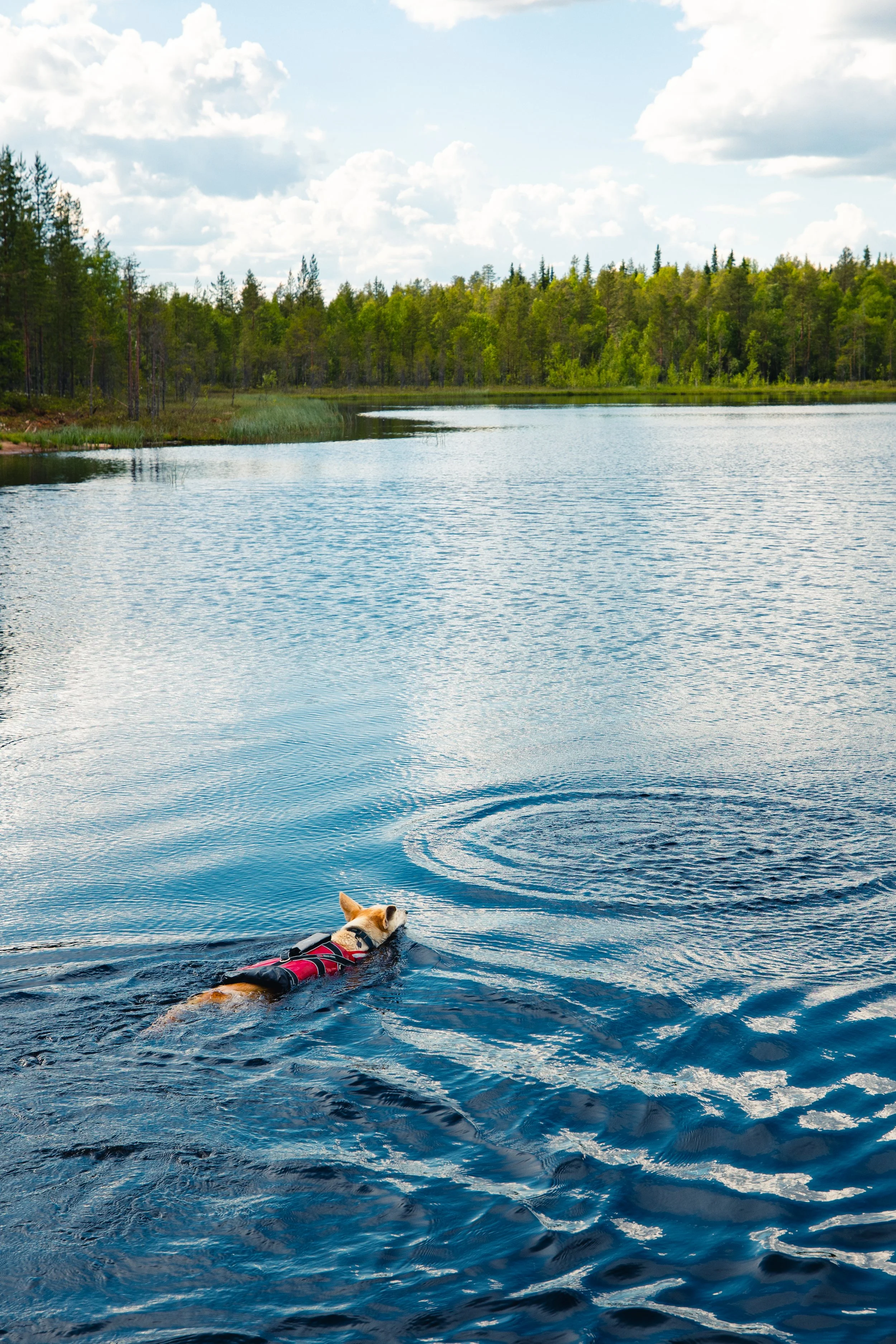
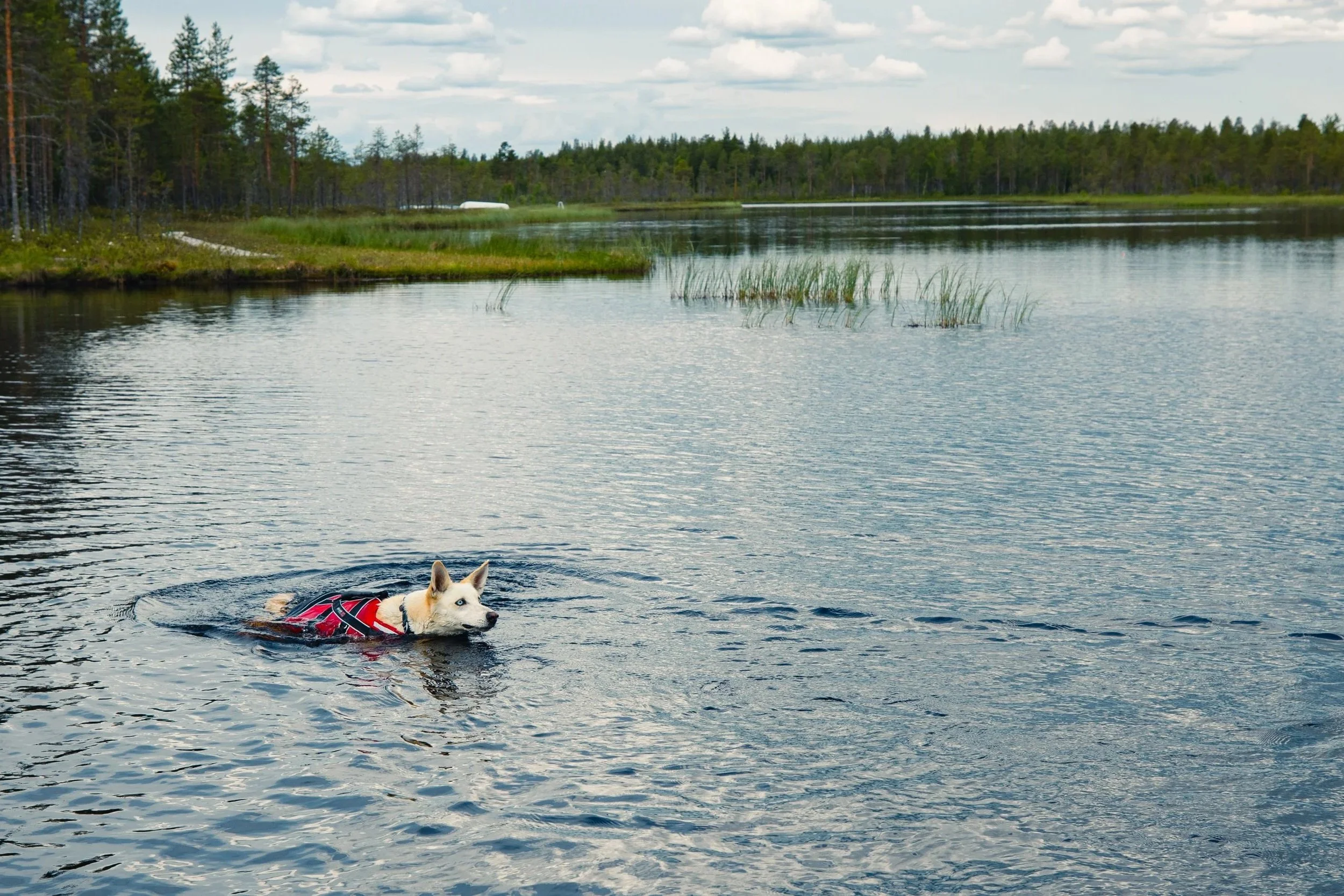
Many responsible kennels continue to offer a variety of activities throughout the summer. Dogs may accompany guides on hikes, explore forest trails, spend time with visitors, participate in enrichment exercises or enjoy supervised play sessions with other dogs. Swimming is particularly valuable during the warmer months. Many sled dogs thoroughly enjoy spending time in lakes and rivers, and swimming provides excellent low-impact exercise that helps maintain muscle strength, cardiovascular fitness and mobility while placing minimal stress on joints and paws.
Summer is also an important opportunity for behavioural training.
Rather than focusing solely on physical performance, many ethical kennels use the off-season to reinforce calm behaviour, improve social skills, strengthen recall, practise handling and veterinary procedures, and help young dogs gain confidence in unfamiliar situations. These sessions are usually short, positive and adapted to the individual dog's needs and temperament.
At the same time, responsible operators recognise that a sled dog's body requires recovery after a long winter season. Rather than abruptly ending all activity, many kennels gradually reduce training intensity over several weeks. This controlled transition allows muscles, joints and cardiovascular systems to adapt naturally from peak winter condition into a more relaxed summer routine.
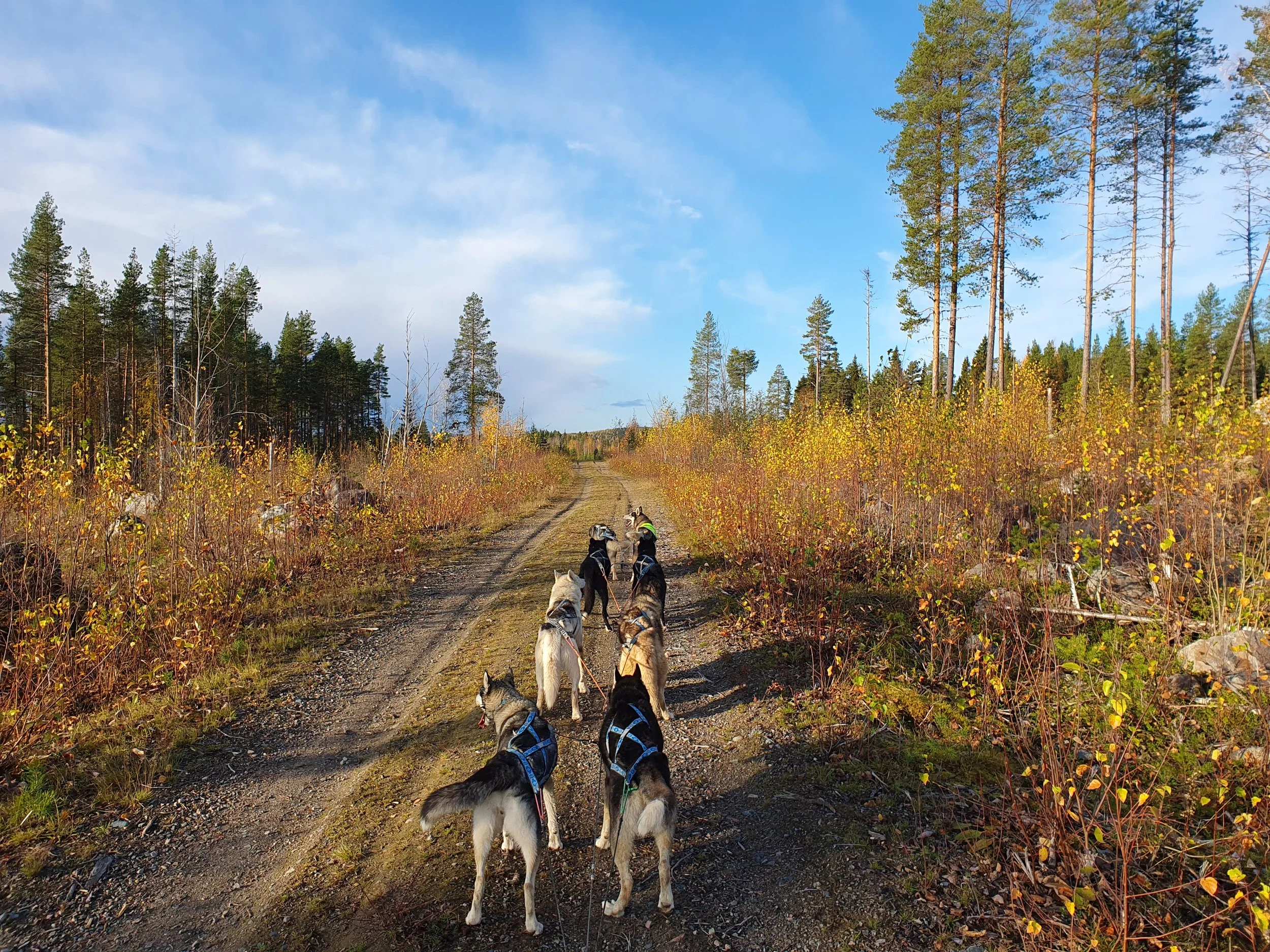
Depending on local conditions, some level of maintenance training may continue throughout the warmer months. In northern regions, cool mornings, rainy days or periods of unusually mild weather can provide suitable opportunities for light exercise. This may include short runs, free running, hiking, swimming or carefully managed dryland training. The goal is not to maximise performance, but to maintain a healthy baseline of fitness and ensure that dogs remain physically and mentally engaged without exposing them to unnecessary heat stress.
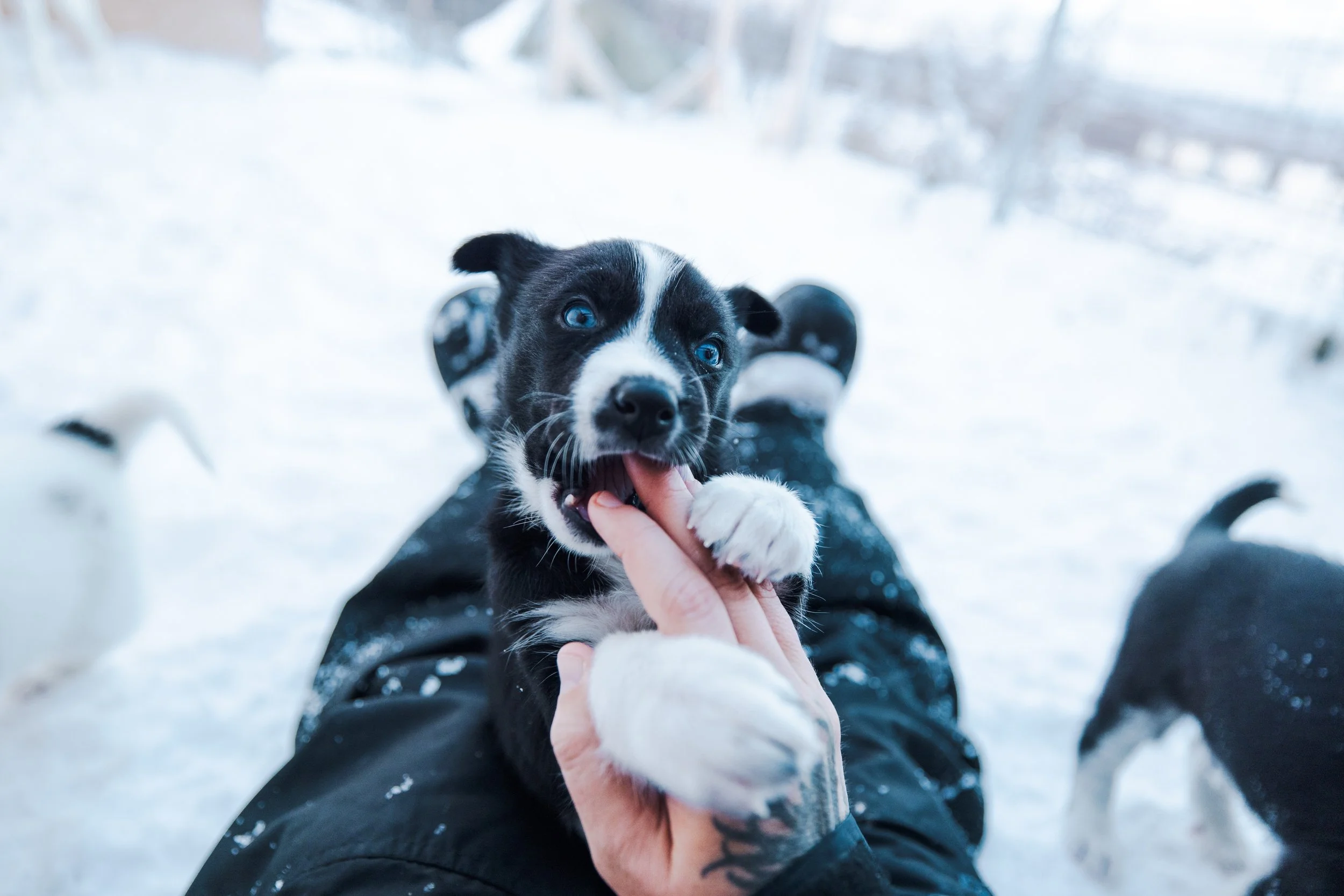
Puppies benefit particularly from the summer months. They can be introduced to new environments, people, sounds, surfaces and experiences without the additional demands of winter work. This early socialisation plays a crucial role in developing confident, stable and well-adjusted adult dogs.
Ethical kennels also use the quieter months to focus on the individual needs of each dog. Older dogs may enjoy a slower pace. Young dogs can develop new skills. Retired dogs remain valued members of the kennel community rather than disappearing from sight once they are no longer working.
For visitors, summer can reveal more about a kennel than winter ever could.
A team that receives attention, enrichment and care during the off-season is often a strong indication that the dogs are valued as individuals rather than viewed solely as a workforce.
The happiest sled dogs are not only those that enjoy running in winter.
They are the dogs that continue to enjoy life when the snow is gone.