our Mission -
Responsible Husky Experiences
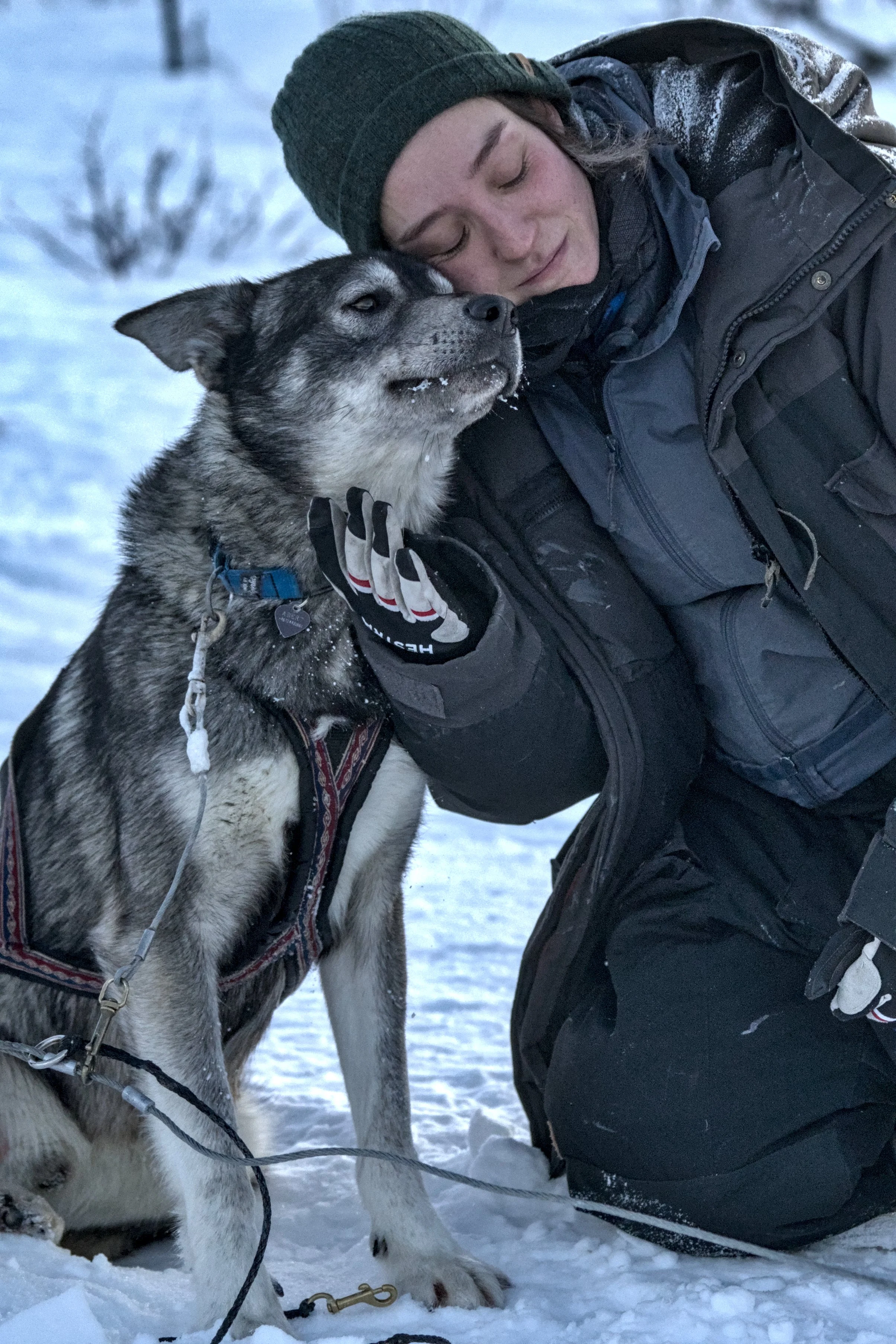
Raising the Standard of Dog Sledding in sweden, finnland and norway.
Dog sledding tourism is growing rapidly across all nordic countries—but the standards for animal welfare, regulation, and enforcement differ significantly between countries.
This creates a situation where visitors often lack a clear understanding of what responsible or truly ethical dog sledding should look like.
We work toward raising and harmonizing the standards of dog sledding across Scandinavia and Finnland by promoting transparency, education, and a consistent focus on animal welfare—regardless of national regulations.
We believe that guests deserve clarity, not confusion, when choosing a sled dog experience. And sled dogs deserve consistent care and protection, no matter where they are working.
Our work is based on education, transparency, and a commitment to continuously question and improve industry standards.
Dog sledding tourism is often difficult for visitors to evaluate. Standards, regulations, and animal welfare practices vary widely between operators and countries, making it challenging to understand what is truly responsible.
That is why we openly share the minimum standards we require from all partner kennels. Visitors can review exactly what we expect regarding animal welfare, living conditions, working routines, and overall care.
Our goal is to remove uncertainty from the decision-making process and give guests the information they need to evaluate dog sledding experiences based on facts rather than marketing claims.
By making these standards visible, we aim to create a more accountable and informed tourism industry across Finland, Sweden, and Norway.
To provide full transparency, we have published both our minimum requirements and our evaluation process in detail further down on this page.
There you can see exactly what standards our partner kennels are expected to meet, as well as how we assess, monitor, and work with the operators featured on our platform.
Radical Transparency as a foundation of trust
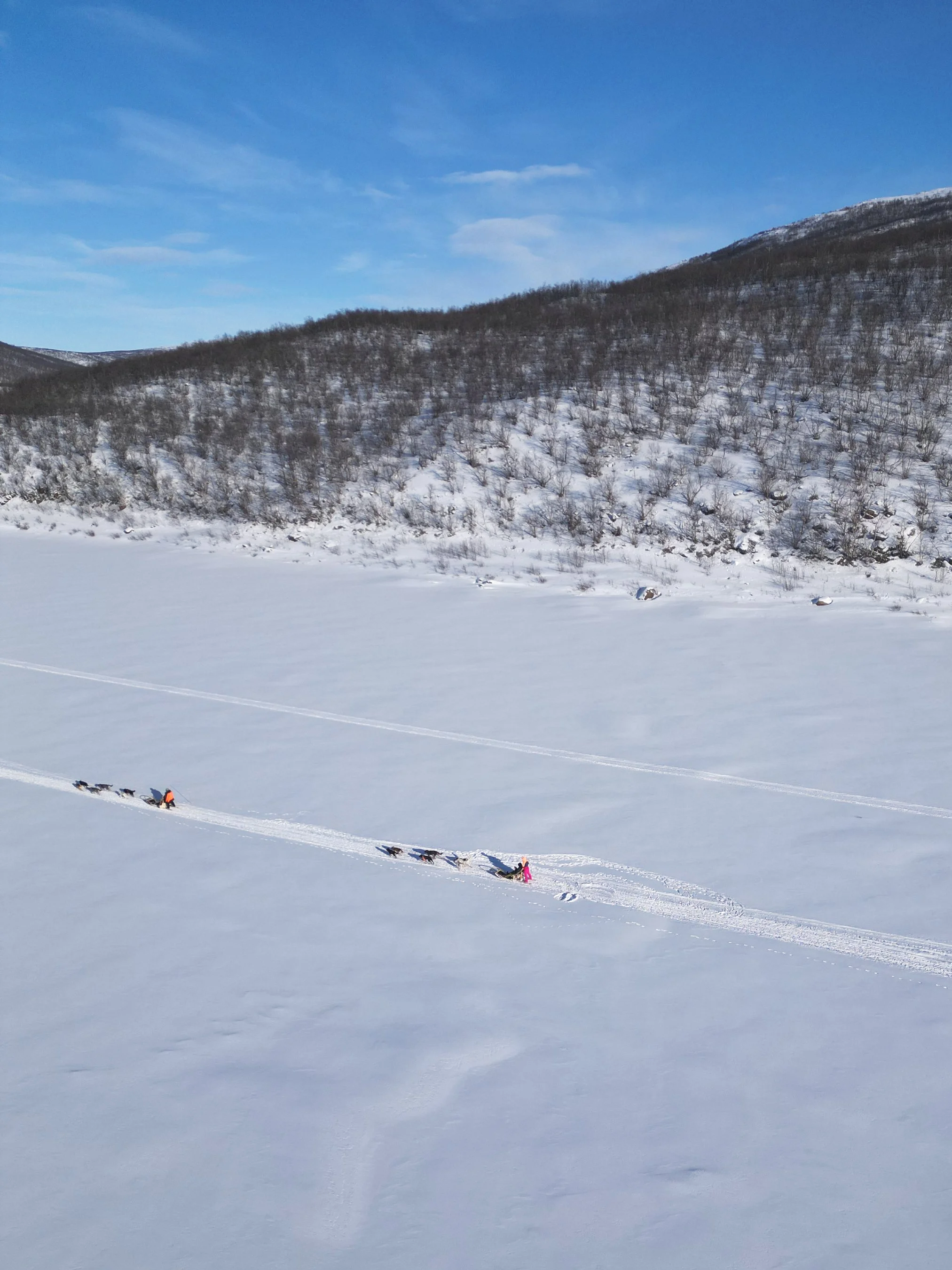
Education and Awareness
About Sled Dog Tourism
Beyond setting standards, we see education as a core responsibility.
Many visitors experience dog sledding for the first time in Scandinavia and have little prior knowledge of how sled dogs live, train, and work. At the same time, the industry itself is often complex and it’s difficult to look behind the curtain from the outside.
Through clear information and accessible explanations, we help guests understand the realities of sled dog tourism—from daily care routines and seasonal rhythms to the differences between various kennel types and operational models.
We believe informed guests can make better decisions, ask better questions, and contribute to a more responsible future for dog sledding tourism.
We regularly publish articles in our blog covering sled dog welfare, tourism practices, and the dog sledding as a sport.
We invite you to continue reading and discover more perspectives, insights, and background information there.
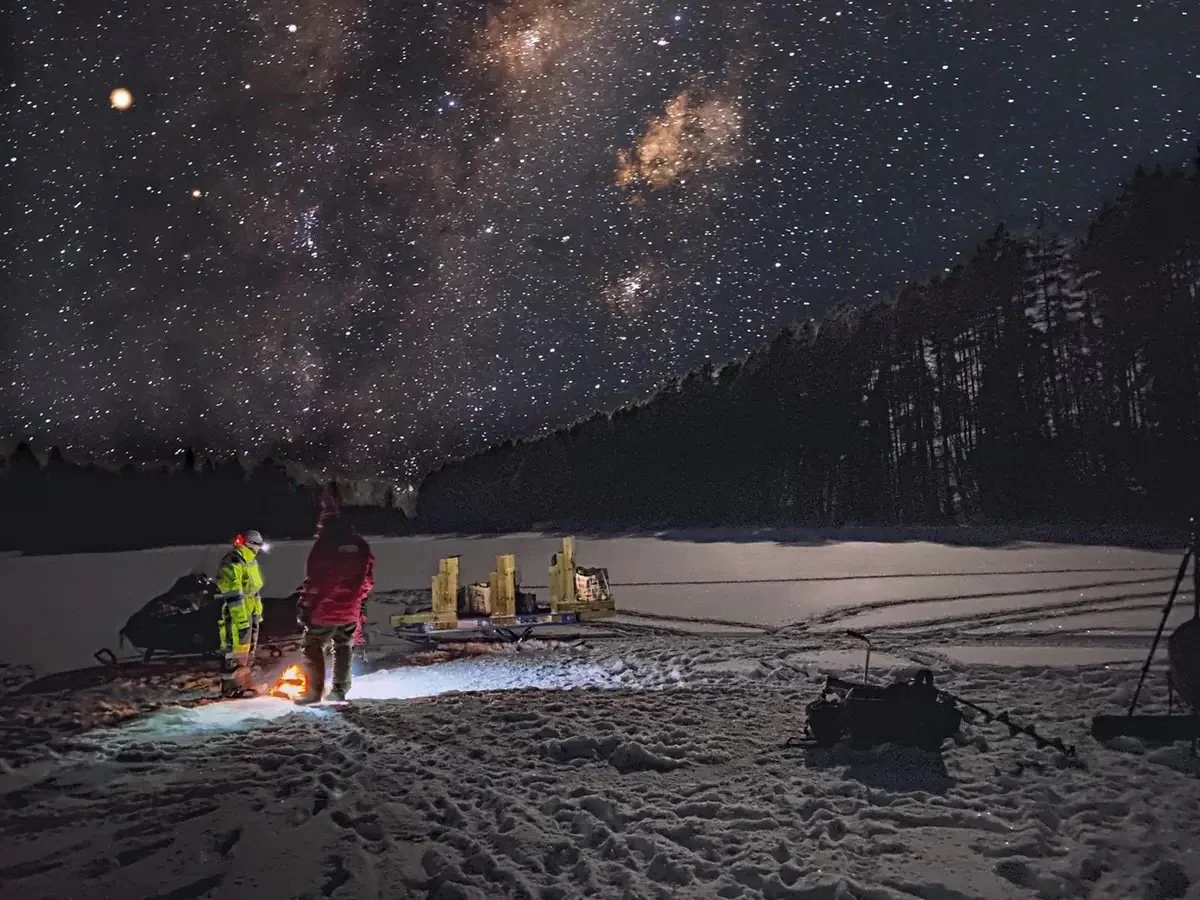
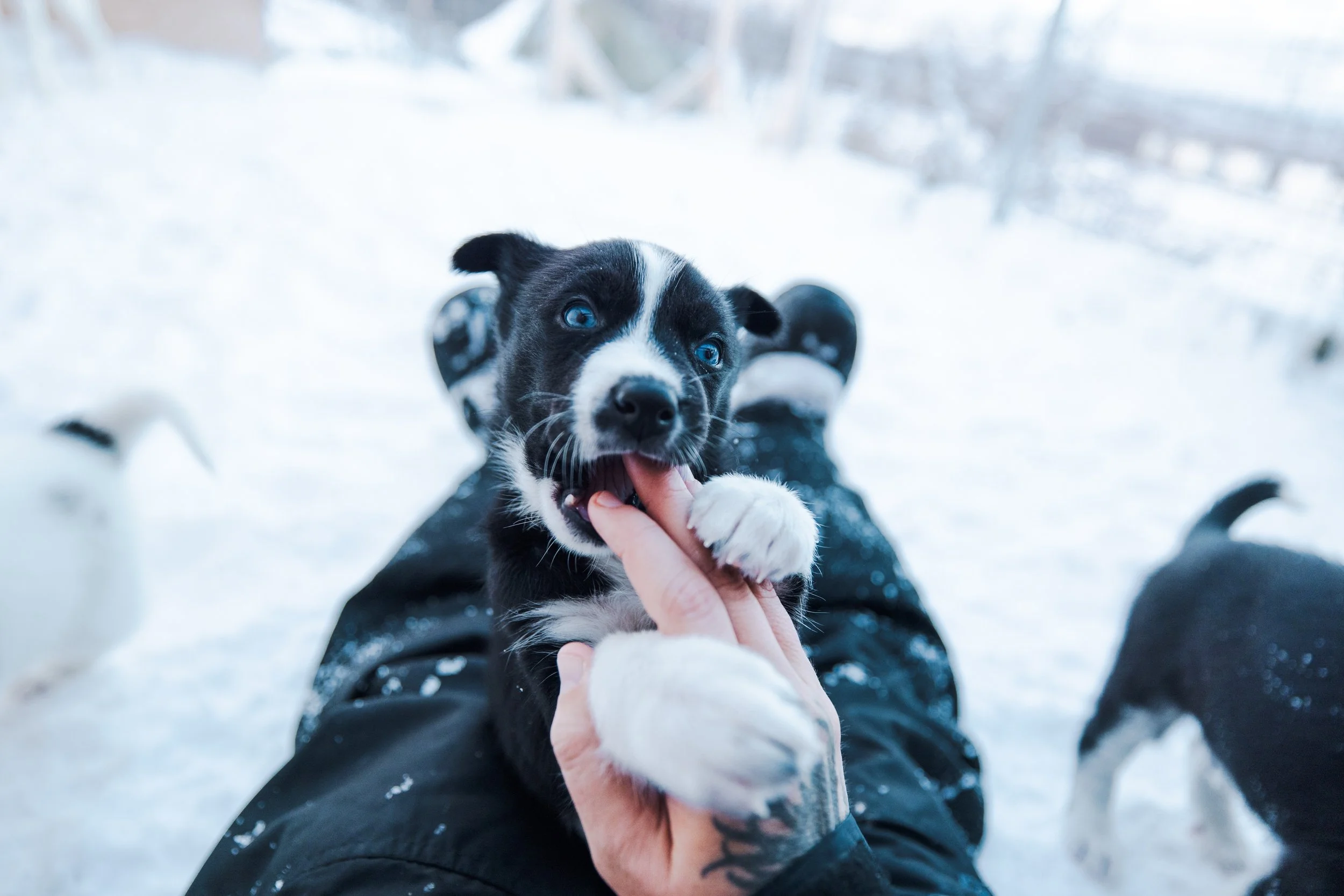
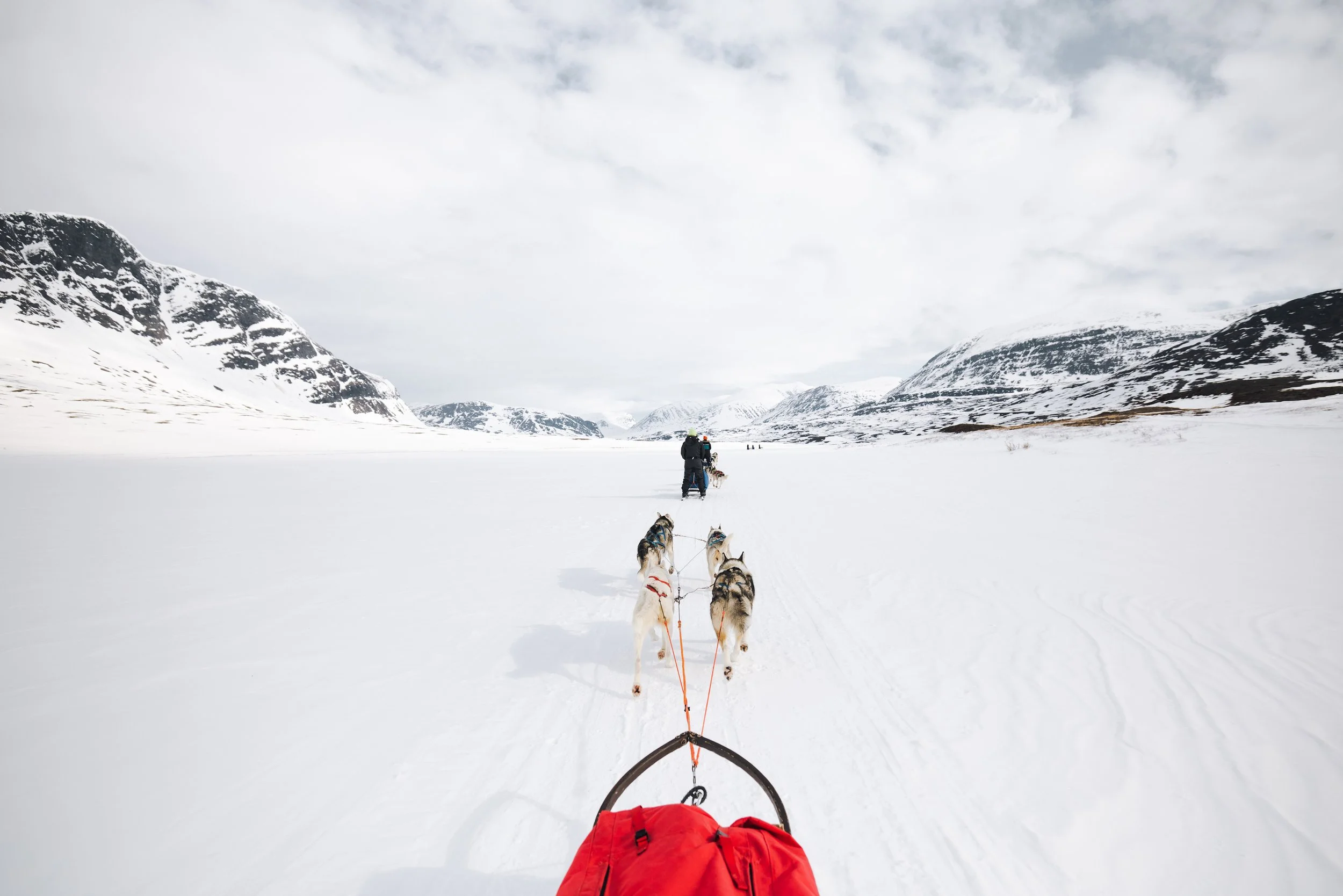
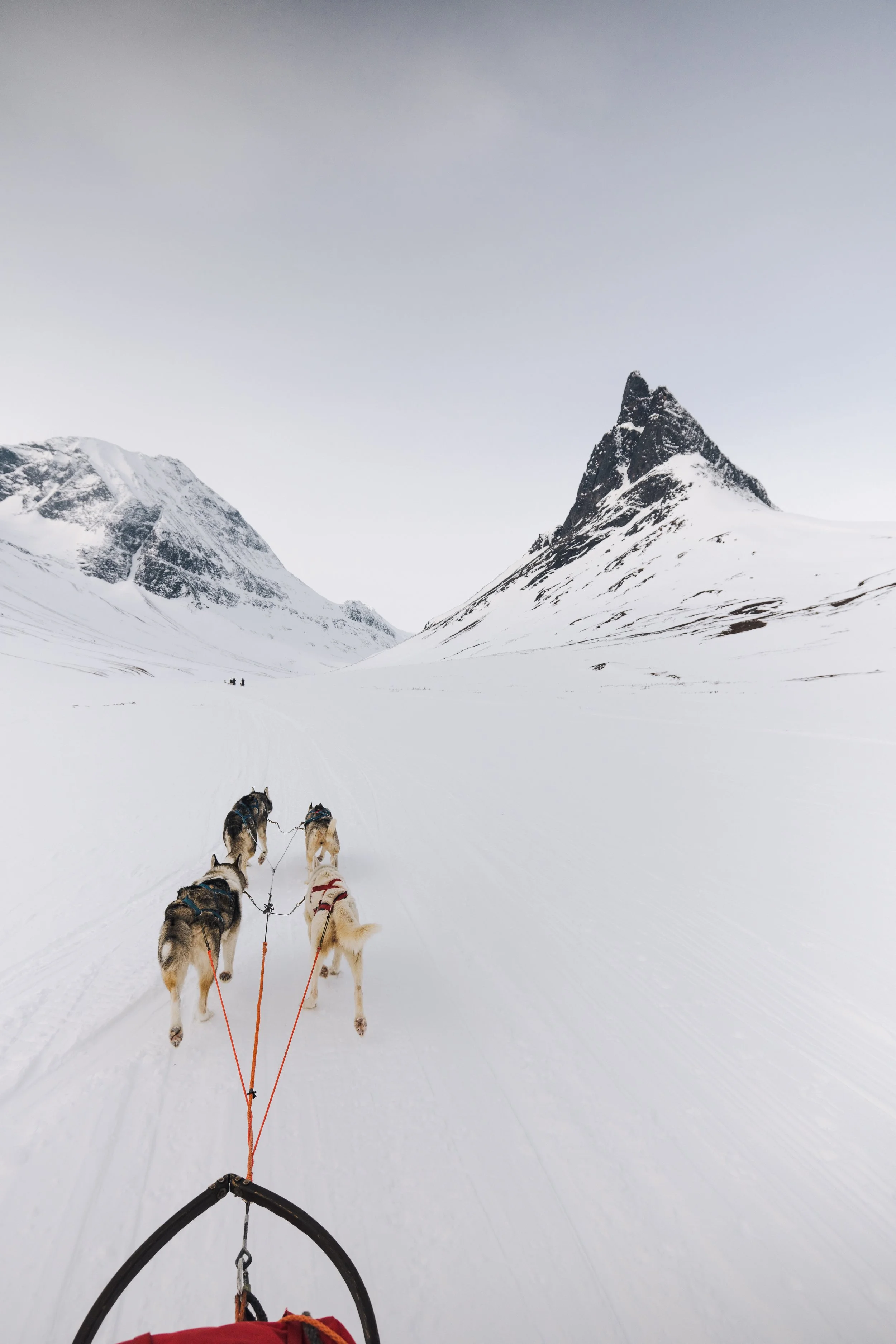
We believe that guests deserve clarity, not confusion, when choosing a sled dog experience.
And sled dogs deserve consistent care and protection, no matter where they are working.
Animal Welfare Standards
We Require From All Partners
To ensure a consistent level of animal welfare across all experiences we offer, we require all our partner kennels to meet a clearly defined set of minimum standards.
These requirements are the baseline for any collaboration and apply regardless of local legislation. In some cases, they align with national regulations in Nordic countries, but FREKE has also developed a number of additional criteria based on practical experience within the sled dog industry. These criteria reflect what we believe contributes to a high quality of life for working sled dogs.
These standards have been carefully developed through in-depth discussions with racing kennels, tourist kennels, and private mushers. The goal was to create a framework that prioritizes animal welfare while remaining realistic and economically sustainable for working dog sledding operations.
We believe that meaningful change in the industry can only happen if standards are both ethically sound and practically implementable.
-
Sled dogs must be housed in kennels or appropriately sized group enclosures that meet or exceed local legal requirements and are maintained in good condition.
Because huskies are highly social animals, they should have regular opportunities for interaction with other dogs and people. Housing arrangements should support social behaviour while also allowing individual dogs access to shelter, rest, and personal space.
While temporary stake-out systems may be used during wilderness expeditions, FREKE does not support the permanent tethering of dogs as a long-term housing solution.
We believe sled dogs deserve environments that provide freedom of movement, social interaction, shelter, enrichment, and opportunities to express natural behaviours.
-
Working sled dogs require a diet that supports both performance and long-term health.
Partner operators must provide facilities for the safe storage and preparation of food, including access to running water and appropriate meat storage where necessary. Procedures should also be in place to maintain hygiene standards for feeding equipment.
Dogs should receive a nutritionally balanced diet that reflects their age, workload, physical condition, and individual needs. Proper nutrition supports recovery, immune function, muscular development, joint health, and overall well-being.
-
Working sled dogs require adequate recovery in order to remain healthy and motivated throughout the season.
Dogs participating in commercial tours should receive at least one full rest day per week, along with sufficient recovery periods between demanding activities.
We encourage partner operators to maintain accurate records documenting training schedules, work performed, rest periods, mileage covered, and other relevant information regarding each individual dog.
Records of female dogs' heat cycles should also be maintained where appropriate.
Unlike many aspects of animal welfare, the workload of sled dogs is often not subject to direct regulatory oversight. In some kennels, little or no documentation is maintained, making it difficult to assess how work is distributed among individual dogs.
Transparent record keeping helps operators manage workloads responsibly and reduces the risk of certain dogs being overworked while others remain underutilised.
Ultimately, responsible workload management is essential for both welfare and performance.
-
Every partner kennel should provide opportunities for dogs to engage in physical activity beyond their regular work.
Kennels should maintain appropriately sized exercise areas where dogs can move freely, interact with other dogs, play, and explore their environment.
Regular free exercise supports physical fitness while also contributing to behavioural health and emotional well-being.
Housing facilities should provide sufficient shelter and resting areas. Dogs should have access to dry resting surfaces and suitable protection from weather conditions throughout the year.
During the summer months, dogs should have access to shade through natural vegetation, shade structures, roofs, or other appropriate means to prevent prolonged exposure to direct sunlight.
The specific requirements for housing infrastructure vary between countries, and local legal standards must always be respected. However, we encourage operators to view legal minimums as a starting point rather than an end goal.
-
Responsible sled dog operations should have facilities suitable for monitoring and caring for injured, ill, recovering, or elderly dogs.
Ideally, kennels should have access to heated indoor spaces where dogs can recover after illness, injury, surgery, or other veterinary treatment. Such facilities may also be used for whelping and caring for young puppies where necessary.
Staff should be capable of implementing veterinary instructions, administering permitted treatments, and monitoring dogs during recovery.
As a general principle, dogs showing signs of illness or injury should receive prompt veterinary assessment and treatment.
Preventive healthcare, vaccination programmes, parasite control, and regular health monitoring should form part of routine kennel management.
While not mandatory, comprehensive health insurance covering all dogs is viewed positively within our evaluation process.
-
The welfare of sled dogs is closely linked to the competence and well-being of the people responsible for them.
Guides, handlers, and kennel staff should receive comprehensive training before working independently with guests and dogs. This training should cover dog handling, welfare, safety procedures, equipment, emergency response, and customer care.
Well-trained staff are better able to recognise health issues, behavioural changes, signs of fatigue, and other factors that may affect a dog's welfare.
We also believe that fair working conditions contribute directly to better care for the animals.
Compliance with labour laws, reasonable working hours, adequate rest periods, and fair compensation help ensure that employees remain motivated, attentive, and capable of providing the level of care expected in a responsible kennel environment.
Overworked, undertrained, or poorly supported staff may struggle to meet the needs of the dogs to the standard that responsible operations require.
For this reason, good working conditions for people should be viewed as an important component of good living conditions for dogs.
-
A responsible sled dog operator plans for the entire life of each dog, not only its working years.
Partner operators should maintain a clear and transparent policy for dogs that can no longer participate in tours due to age, injury, illness, or other welfare-related reasons.
Depending on the individual dog, this may include retirement within the kennel, placement in suitable private homes, or other arrangements that ensure continued quality of life.
Retired dogs should continue to receive appropriate care, attention, and veterinary support according to their age and needs.
Euthanasia should only be considered for legitimate veterinary reasons and when it is in the best interests of the individual animal.
FREKE explicitly rejects euthanasia motivated primarily by economic considerations.
Recognizing Higher Standards in Animal Welfare
While our minimum requirements define the baseline for all partner kennels, we also recognize that some operators choose to go significantly beyond these standards.
These providers implement additional measures that further improve the welfare, living conditions, and overall wellbeing of their dogs. In many cases, their practices exceed both our baseline requirements and existing national regulations within Finland, Sweden, and Norway.
To highlight and encourage this commitment, we operate a simple recognition system across our platform.
Operators who exceed our minimum standards across at least three key criteria may receive a second-star recognition on their tour profile. This distinction signals to guests that these kennels demonstrate an above-average commitment to animal welfare and responsible dog sledding practices.
In addition, we annually present the Freke Animal Care Award to the kennel that demonstrates the highest overall level of welfare, care, and quality of life of its dogs among all operators featured on our website.
The award is reassessed each year to ensure that recognition reflects current practices and continued excellence rather than past achievements.
We believe that highlighting examples of exceptional care can help encourage positive development throughout the sled dog industry.
Important note: The FREKE stars are neither a certification nor a quality seal. They represent FREKE’s own assessment of the animal welfare standards that a provider meets beyond the applicable legal minimum requirements, based on our published criteria.
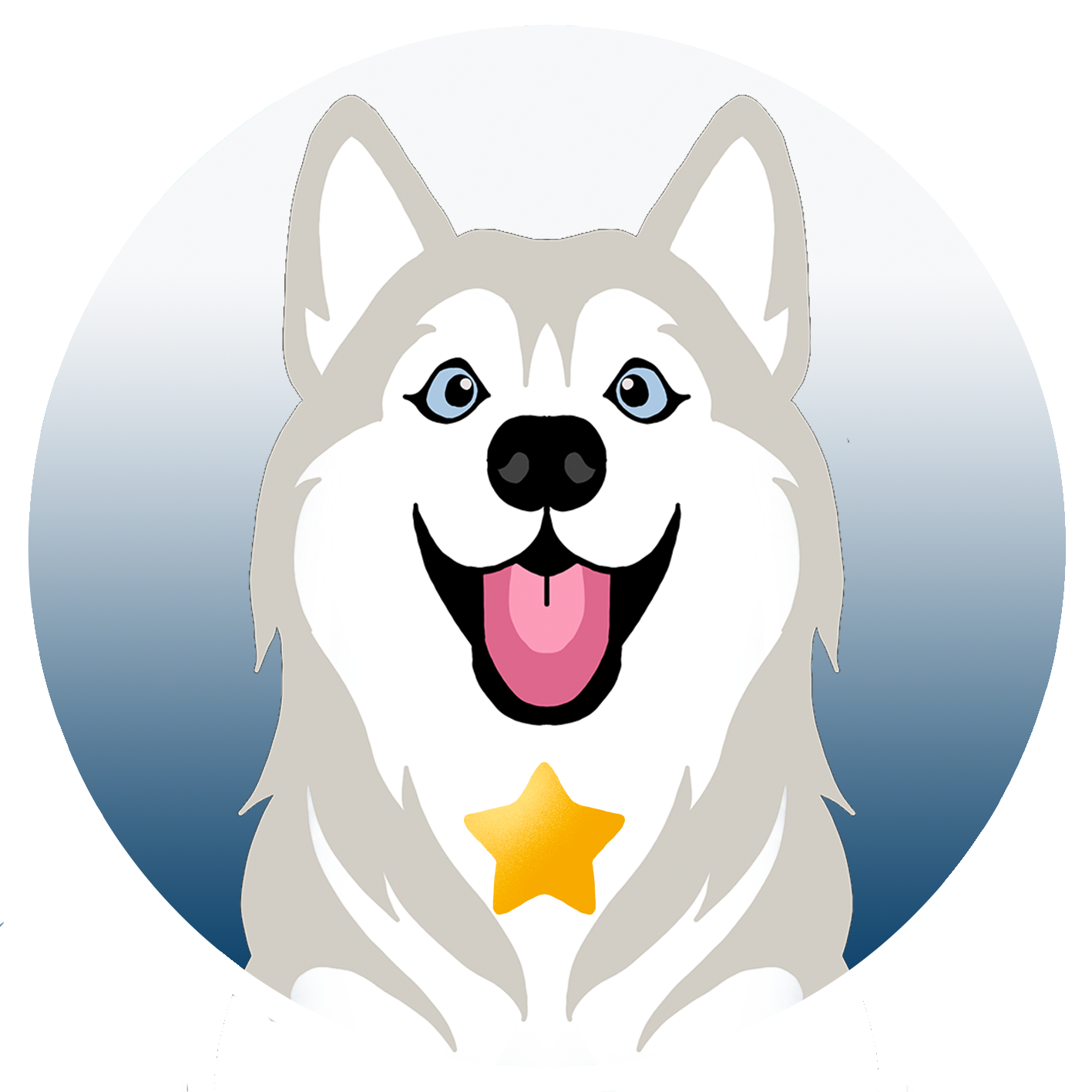
The operator complies with all FREKE baseline welfare requirements.
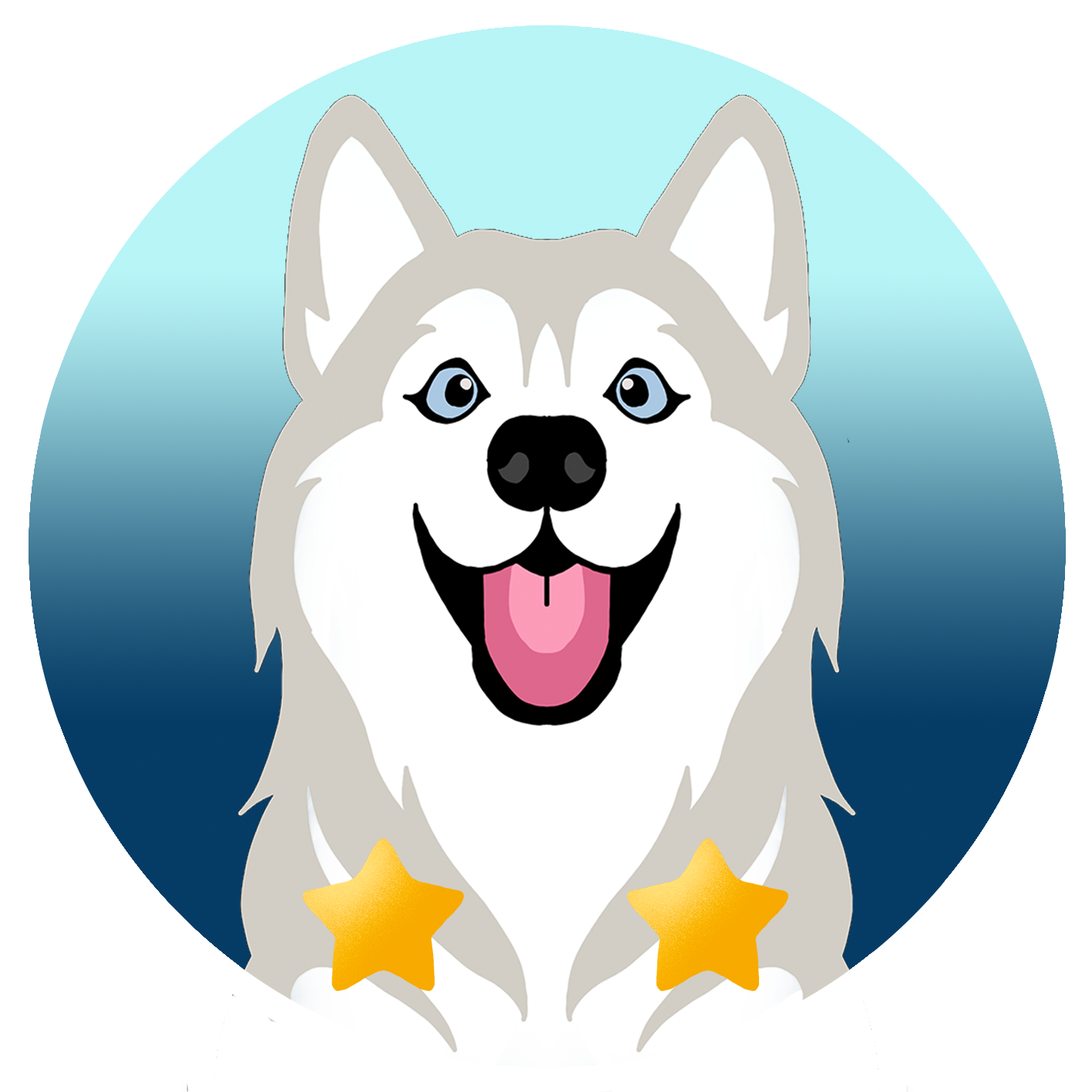
The operator exceeds our standards in at least three areas of dog welfare and kennel management.

“Freke Animal Welfare Award 2026”
How We Evaluate and Monitor Partner Kennels
Operators featured on FREKE commit to maintaining the standards outlined in our minimum requirements and ongoing ethical framework.
We evaluate compliance through a structured combination of methods, including continuous dialogue with operators, direct communication with staff, review of publicly available information, and internal documentation. In addition, all partner kennels are visited in person at least once within the first year of collaboration to gain firsthand insight into their operations, living conditions, and overall approach to animal welfare.
While these measures allow us to form informed and up-to-date assessments, FREKE does not function as a regulatory authority and is not able to provide continuous or real-time monitoring of partner businesses.
Our role is to define clear expectations, increase transparency within the dog sledding industry, and make informed evaluations based on available evidence and direct observations.
If credible concerns regarding animal welfare arise, we reserve the right to investigate further and, where appropriate, suspend or remove operators from our platform.
Transparency, accountability, and responsible collaboration are fundamental principles that guide all of our partnership decisions.
Do you have any further questions?
michelle is happy to help!